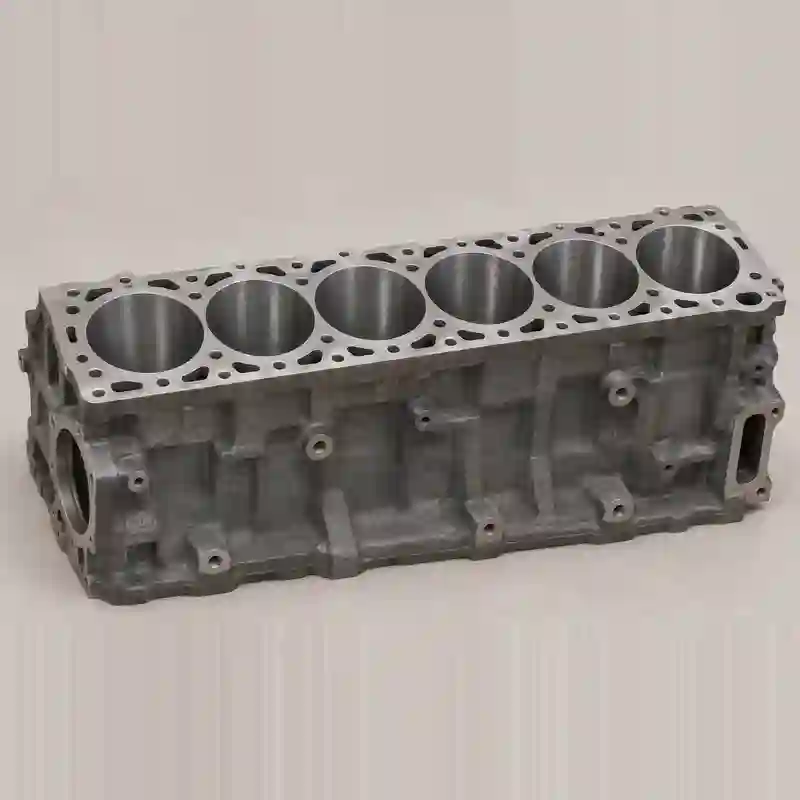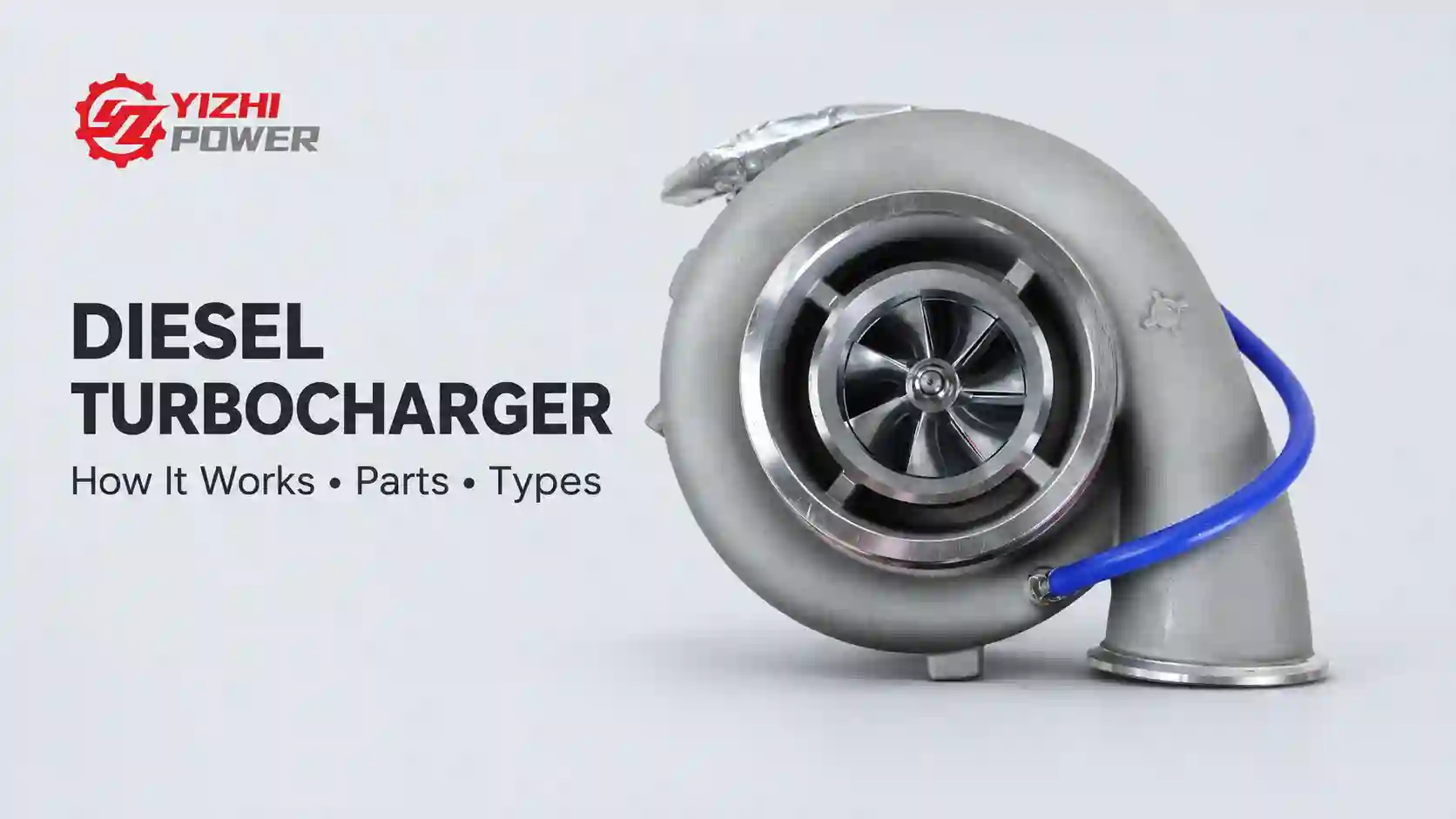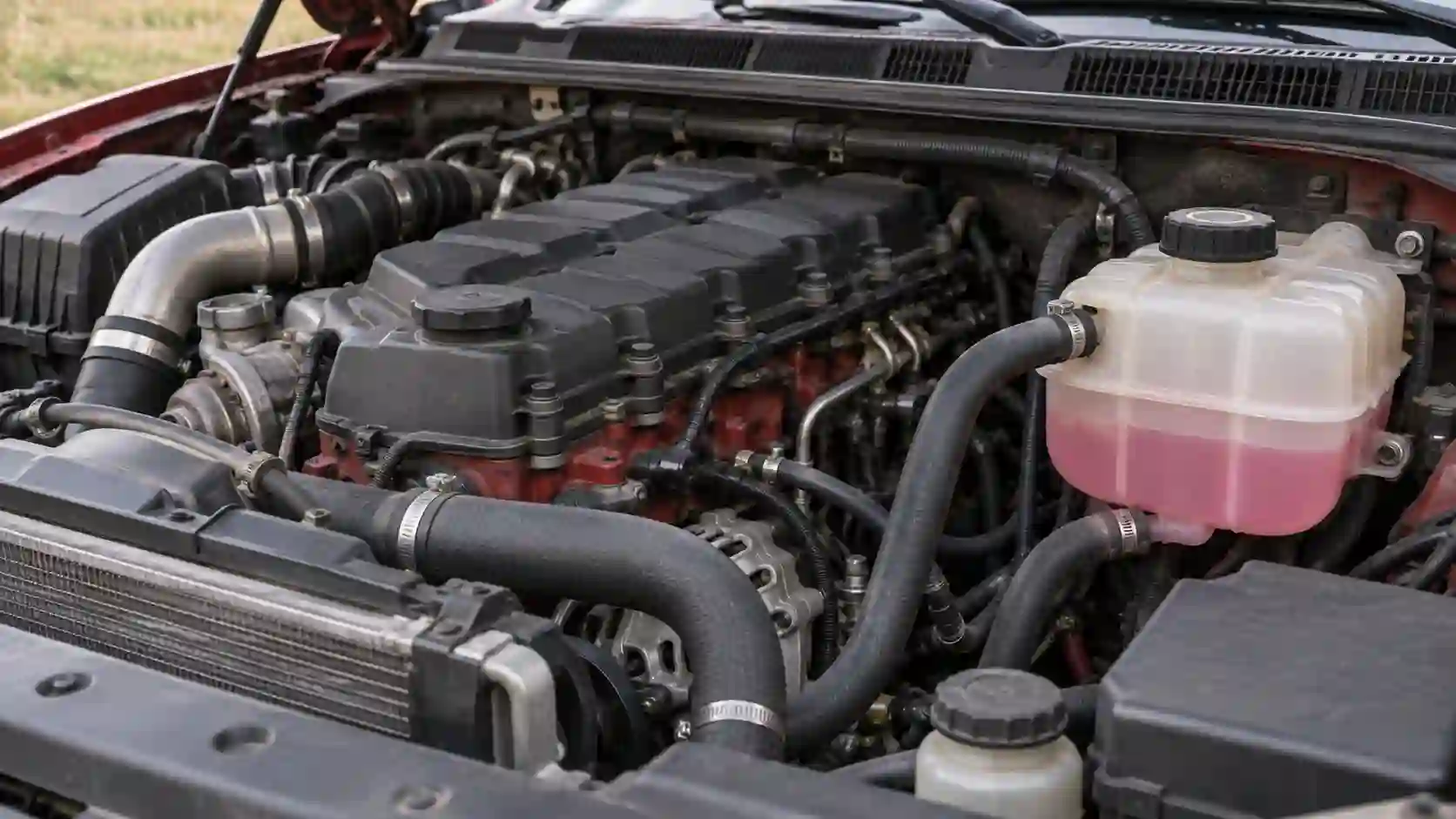
The 6.7 Cummins compression ratio varies depending on the engine version and vehicle application. For example, the 2021 Standard Output (SO) engine has a 19:1 compression ratio, while the High Output (HO) version uses a 16.2:1 ratio. The difference is also visible in newer models, where Pickup and Chassis Cab engines have separate specifications. Understanding the 6.7 Cummins compression ratio also requires looking at the engine version and vehicle application, since the specifications are not identical across all models.
Both versions belong to the Cummins ISB engine family and share the same 6.7L displacement. However, their specifications are not interchangeable. If you are comparing engines or checking technical information, it helps to identify the model year, output version, and vehicle application first. Our Cummins ISB engine guide provides more background on this engine family.

What Is the Compression Ratio of a 6.7 Cummins?
According to Cummins’ official 2021 specifications, the Standard Output and High Output versions have different compression ratios:
| Engine Version | Compression Ratio | Horsepower | Torque |
| Standard Output (SO) | 19:1 | 370 hp | 850 lb-ft |
| High Output (HO) | 16.2:1 | 420 hp | 1,075 lb-ft |
The 6.7 Cummins compression ratio differs between the Standard Output and High Output versions, even though both share the same 6.7L displacement, bore, and stroke.
These figures apply to the 2021 6.7L Cummins Turbo Diesel pickup engine. Cummins lists the HO version for the RAM 3500 equipped with an Aisin transmission. The SO version is available in RAM 2500 and RAM 3500 models equipped with the 68RFE automatic transmission.
Both versions share the following basic specifications:
- Displacement: 6.7L
- Number of cylinders: 6
- Bore: 107 mm (4.21 in)
- Stroke: 124 mm (4.88 in)
- Fuel system: Bosch HPCR
- Aspiration: Turbocharged and charge air cooled
The compression ratio is one of the differences between these two versions, but it should be considered alongside their power ratings and other engine specifications.
Does the 6.7 Cummins Compression Ratio Change by Year?
Yes. The compression ratio can differ between model years and vehicle applications. The following table shows several figures published in Cummins or manufacturer specifications. It is not a complete list of every 6.7L Cummins engine produced.
| Model Year | Vehicle Application / Version | Compression Ratio |
| 2019 | 6.7L Chassis Cab | 19:1 |
| 2021 | Pickup, Standard Output | 19:1 |
| 2021 | Pickup, High Output | 16.2:1 |
| 2025 | Pickup | 16.0:1 |
| 2025 | Chassis Cab | 18.3:1 |
The 2025 figures are a good example of why vehicle application matters. Cummins lists a 16.0:1 compression ratio for the 2025 Pickup engine and 18.3:1 for the 2025 Chassis Cab engine. Both use the 6.7L platform, but their specifications differ.
These figures should not be used to assume a continuous change from one model year to the next. The available specifications cover particular applications and versions, not every engine configuration.
If you are checking a specific truck, use its model year and vehicle application to find the correct engine specifications. For older engines or configurations not listed here, consult the relevant manufacturer documentation rather than assuming the ratio from another model.
What Does Compression Ratio Mean in a Diesel Engine?
Compression ratio describes how much the air inside a cylinder is compressed as the piston moves from bottom dead center (BDC) to top dead center (TDC). It is calculated by comparing the cylinder’s total volume at BDC with its clearance volume at TDC. For example, a 19:1 compression ratio means the cylinder’s total volume at BDC is 19 times its clearance volume at TDC. A 16.2:1 ratio means the volume relationship is 16.2 to 1.
In a diesel engine, the piston compresses air inside the cylinder before fuel injection. This raises the air temperature. The fuel injectors then deliver diesel fuel into the hot compressed air. After a short ignition delay, combustion begins. You can learn more about their role in our guide to 6.7 หัวฉีด Cummins. This is why compression ratio is an important part of diesel engine design. It affects the conditions inside the cylinder before combustion starts.
How Does Compression Ratio Affect 6.7 Cummins Performance?
A higher compression ratio generally raises the air temperature at the end of the compression stroke, assuming other conditions remain comparable. However, it does not automatically mean an engine will produce more horsepower or torque. The 2021 6.7L Cummins specifications illustrate this point. The SO version has a 19:1 compression ratio and produces 370 hp and 850 lb-ft of torque. The HO version has a lower 16.2:1 ratio but produces 420 hp and 1,075 lb-ft.
The lower ratio in the HO version does not mean it is less powerful. Compression ratio is only one part of the engine’s design. Turbocharger performance, fuel delivery, engine calibration, and other factors also affect the final power output.
For this reason, compression ratio should not be used alone to judge engine performance. The SO and HO versions need to be compared using their full specifications and intended applications.
The 6.7 Cummins compression ratio is one specification to consider when comparing these versions, but horsepower and torque also depend on factors such as turbocharger calibration and fuel delivery.
Compression Ratio vs. Cylinder Compression Pressure
Compression ratio and cylinder compression pressure are often mentioned together when discussing diesel engines, but they describe two different things. The compression ratio is built into the engine’s design and describes how much the air in the cylinder is compressed as the piston moves upward. Cylinder compression pressure, on the other hand, is the pressure measured during a compression test. It can change depending on the engine’s condition and the test conditions, such as cranking speed and temperature.
For example, a 19:1 compression ratio does not mean the cylinder pressure is 19 PSI. It describes the relationship between the cylinder’s volume before and after compression, not the pressure shown on a test gauge. This distinction matters when checking engine specifications or diagnosing a compression-related problem.
สรุป
The 6.7 Cummins compression ratio is not a single figure for every engine. Cummins specifications show differences between Standard Output and High Output versions, as well as between Pickup and Chassis Cab applications. The 2021 SO and HO engines, for example, use 19:1 and 16.2:1 ratios, while the 2025 applications have their own published figures.
When comparing engines or checking technical specifications, identify the model year, output version, and vehicle application first. If you are sourcing Cummins engines or replacement parts, visit อี้จื้อ พาวเวอร์ to learn more about our Cummins engine and parts supply.
คำถามที่พบบ่อย
1. What is the compression ratio of a 2021 6.7 Cummins?
The 2021 Standard Output version has a 19:1 compression ratio. The High Output version has a 16.2:1 ratio, according to Cummins’ official specifications.
2. Do all 6.7 Cummins engines have a 19:1 compression ratio?
No. The ratio varies by version and application. For example, the 2021 High Output pickup engine is listed at 16.2:1, while the 2025 Pickup and Chassis Cab engines are listed at 16.0:1 and 18.3:1, respectively.
3. Is compression ratio the same as cylinder compression pressure?
No. Compression ratio describes the relationship between cylinder volume at BDC and TDC. Cylinder compression pressure is a measured pressure reading taken during a compression test.
- WhatsApp: +86 186 7197 8898
- อีเมล: info@yzdlparts.com
- เว็บ: www.yzdlparts.com