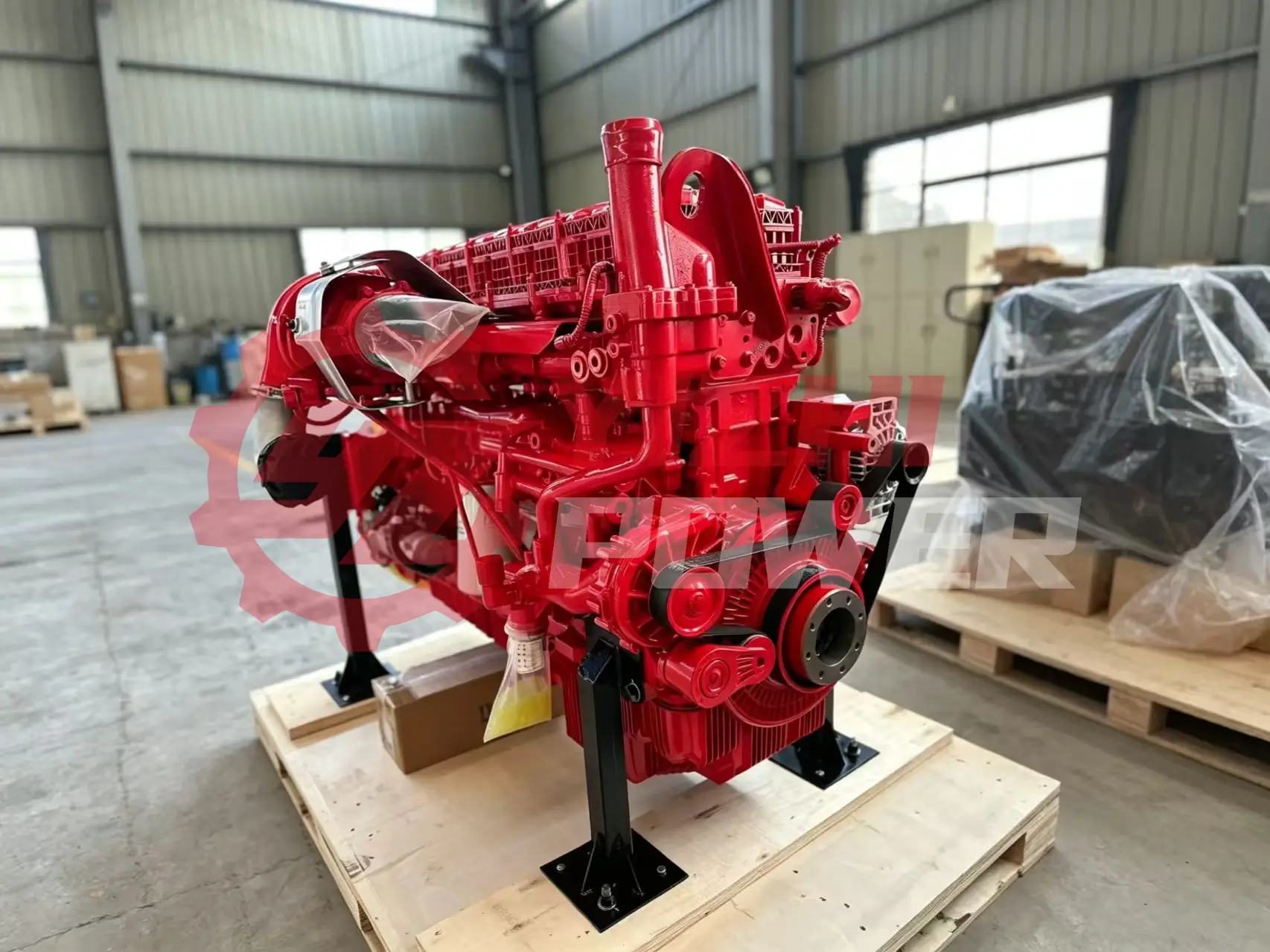











En Cummins ISB includes 5.9L and 6.7L engine versions developed at different points in the Serie B line. The 5.9L ISB was introduced in 1998, followed by the 6.7L version in 2007. Both use an inline six-cylinder design, but changes in displacement, fuel injection, engine control, and emissions systems distinguish the two versions.
Those differences matter when identifying an engine or ordering parts. A 5.9L ISB can have different fuel-system configurations depending on its production year, while the 6.7L ISB has different ratings and equipment across applications. This guide compares the ISB 5.9 Cummins Engine y ISB 6.7 Cummins Engine, covering their specifications, applications, technical development, and the information needed to identify the correct parts.
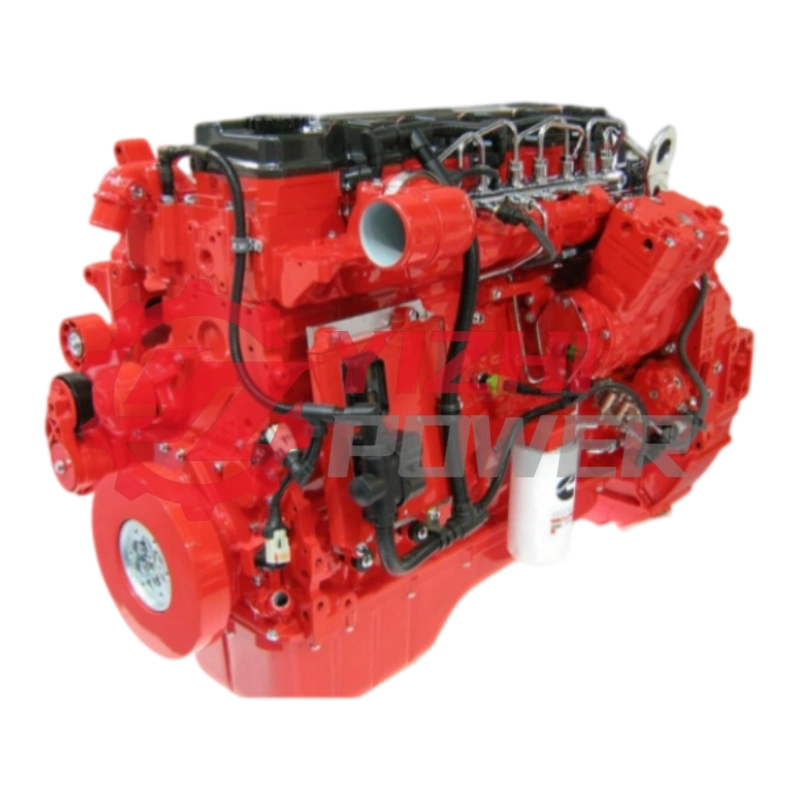
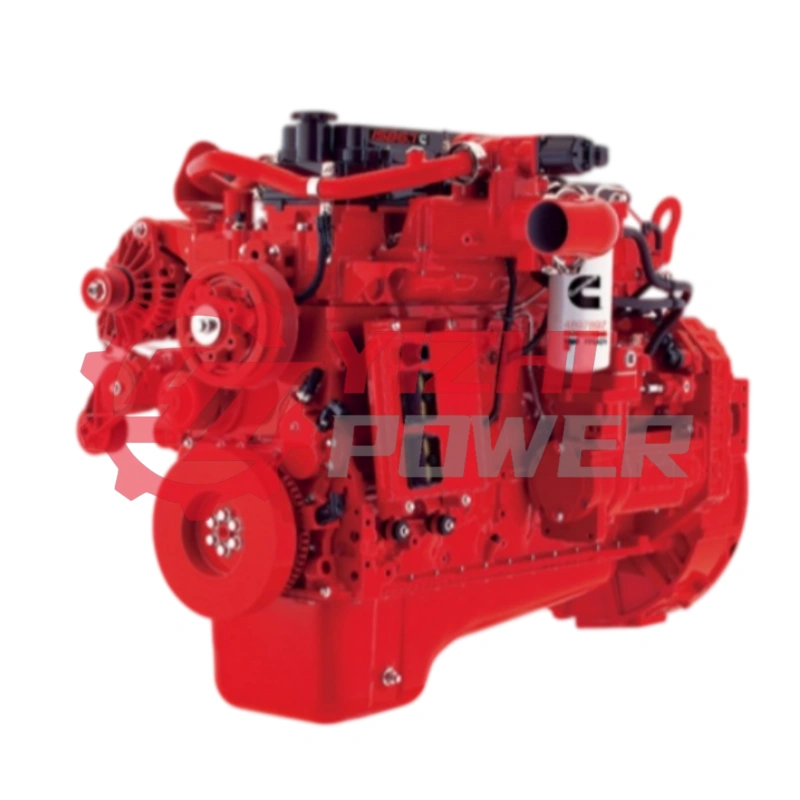
What Is the Cummins ISB?
En Cummins ISB is a 5.9L and 6.7L diesel engine series within the B Series line. The 5.9L ISB appeared in 1998 as a 24-valve engine with electronic engine management. It followed the earlier 5.9L 6BT, but the two should not be treated as the same engine.
The difference is easy to see in the cylinder head and engine control system. The earlier 5.9L 6BT used two valves per cylinder, while the 5.9L ISB used four. Cummins also moved from the earlier mechanical fuel system to electronic engine management with the ISB. Common-rail fuel injection arrived later in the 5.9L ISB development, beginning with the 2003 model year in Cummins’ pickup engine history.
The name Cummins ISB covers different engine configurations rather than one fixed specification. Power, torque, emissions equipment, and other details can vary by application. That is why the engine serial number and original part number are useful when identifying an engine or ordering replacement parts.
ISB 5.9 Cummins Engine
En ISB 5.9 Cummins Engine covered the 5.9L version of this engine series from 1998 through 2007 in Cummins’ pickup engine history. It uses a 5.9-liter inline-six configuration, with a cast-iron block and cylinder head.
Cummins lists the 5.9L ISB at 215 to 325 hp and 420 to 610 lb-ft of torque across its pickup applications. These are not specifications for one individual engine. Different ratings were available depending on the vehicle and configuration.
ISB 5.9 Specifications
| Especificación | ISB 5.9 |
| Desplazamiento | 5.9 L / 359 cu in |
| Configuración | Motor de 6 cilindros en línea |
| Production period in Cummins pickup history | 1998–2007 |
| Valvetrain | OHV, 4 valves per cylinder |
| Horsepower range | 215–325 hp |
| Rango de par | 420–610 lb-ft |
| Sistema de combustible | Direct injection, later common rail |
| Aspiración | Turbocharged and aftercooled |
| Bloque motor | Cast iron |
| Culata | Cast iron |
One of the main changes during the 5.9L ISB period was the introduction of common-rail fuel injection. Cummins states that the common-rail system began with the 2003 model year in its pickup engine history. Earlier 5.9L ISB versions used direct injection without the later common-rail system.
ISB 6.7 Cummins Engine
En ISB 6.7 Cummins Engine followed the 5.9L version in 2007. Cummins increased the displacement to 6.7 liters while retaining the inline-six layout and four-valve cylinder head. The 6.7L engine uses direct injection with a high-pressure common-rail fuel system. Cummins lists the engine at 408 cubic inches and uses turbocharging and aftercooling in its published specifications.
For its pickup engine history, Cummins gives a 350 to 385 hp range and 610 to 900 lb-ft of torque. Other ISB 6.7 applications use different ratings. For example, Cummins documentation for recreational vehicles lists ratings from 200 to 360 hp, while its emergency vehicle documentation includes several ratings from 260 to 360 hp.
ISB 6.7 Specifications
| Especificación | ISB 6.7 |
| Desplazamiento | 6.7 L / 408 cu in |
| Configuración | Motor de 6 cilindros en línea |
| Valvetrain | OHV, 4 valves per cylinder |
| Sistema de combustible | High-pressure common rail |
| Aspiración | Turbocharged and aftercooled |
| Bloque motor | Cast iron |
| Culata | Cast iron |
| Power rating | Varies by application |
There is no single horsepower figure that represents every ISB 6.7 Cummins Engine. Cummins has produced different ratings for different vehicles and operating requirements. When comparing engines, the application and rating should be considered alongside displacement.
ISB 5.9 vs. ISB 6.7
Both use an inline six-cylinder layout and four valves per cylinder. The 5.9L ISB went through changes in fuel-system technology during its production period, while the 6.7L version uses high-pressure common rail as part of its design.
| Característica | ISB 5.9 | ISB 6.7 |
| Desplazamiento | 5.9 L | 6.7 L |
| Cilindros | 6 inline | 6 inline |
| Valves per cylinder | 4 | 4 |
| Sistema de combustible | Direct injection, later common rail | High-pressure common rail |
| Aspiración | Turbocharged and aftercooled | Turbocharged and aftercooled |
| Introducción | 1998 | 2007 |
| Power | Configuration dependent | Configuration dependent |
Cummins describes the 6.7L as the next development of the 5.9L platform, with the larger displacement helping meet changing performance and emissions requirements.
The two engines also have different parts and service requirements. A component designed for one version should not be assumed to fit the other simply because both carry the ISB name. Part numbers and engine identification remain the safer way to confirm compatibility.
Cummins ISB Applications
En Cummins ISB has appeared in several vehicle and equipment applications. The 5.9L version became widely associated with pickup applications. The 6.7L engine later expanded into medium-duty trucks, buses, recreational vehicles, emergency vehicles, marine applications, and industrial equipment.
Cummins’ own documentation shows how much the application can affect engine specifications. Its ISB6.7 documents include different power ratings for recreational vehicles and emergency vehicles. Cummins also publishes ISB6.7 specifications for bus and coach applications.
This is important when comparing two engines that appear similar on paper. An ISB 6.7 installed in a truck does not necessarily have the same rating or equipment as an ISB 6.7 used in a bus or recreational vehicle.
Fuel System and Technical Development
En sistema de combustible is one of the clearest differences between the earlier and later versions. The 5.9L ISB started with direct injection and later moved to common-rail fuel injection. Cummins identifies the 2003 model year as the point when common rail appeared in the pickup version of the 5.9L ISB.
The 6.7L ISB uses high-pressure common rail. Later versions also incorporated additional emissions-control systems as regulations changed. Cummins’ Euro 6 documentation for the ISBe6 family, for example, lists cooled EGR, a variable geometry turbocharger, SCR, and diesel particulate filtration.
Cummins ISB Engine Parts
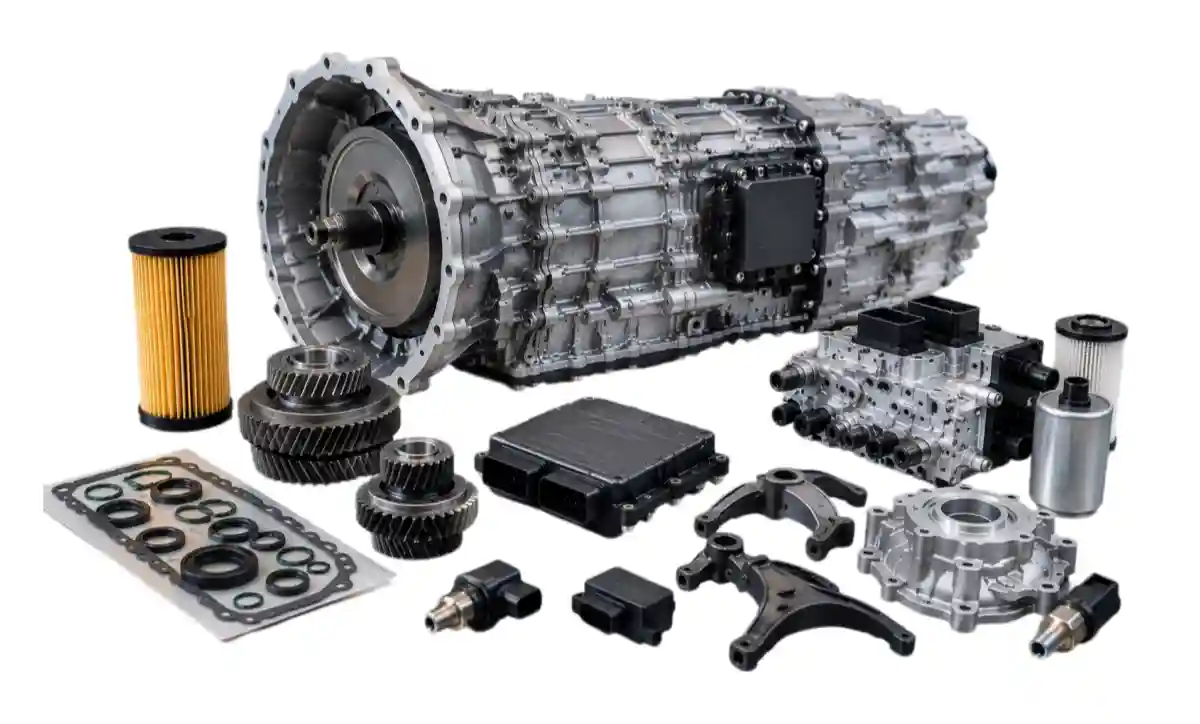
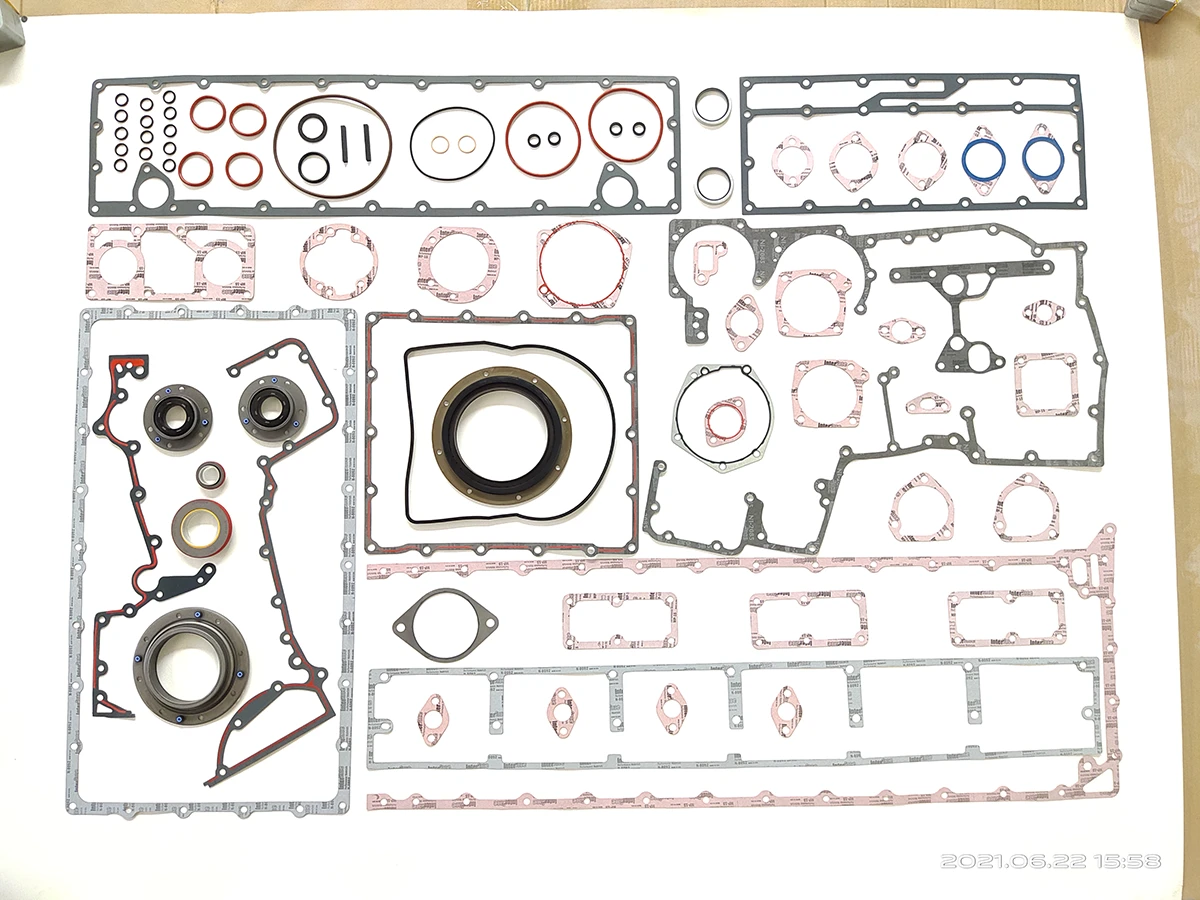
En Cummins ISB Engine uses a wide range of service and replacement components, but the exact part depends on the engine configuration. Common categories include fuel injectors, fuel filters, oil filters, gaskets, cylinder head components, turbocharger-related parts, sensors, and other engine components. These parts should be matched to the correct engine rather than selected from the displacement number alone.
For example, the fuel-system parts used on an earlier 5.9L ISB may differ from those used on a later common-rail version. The same applies to the 6.7L engine, where vehicle application and emissions configuration can affect component selection.
Conclusión
En Cummins ISB covers the 5.9L and 6.7L versions of this inline six-cylinder diesel series. The 5.9L ISB introduced electronic engine management and a four-valve cylinder head to the 5.9L platform, while the 6.7L version increased displacement and used high-pressure common-rail fuel injection.
For engine identification or parts sourcing, the ISB name is only the starting point. The exact engine version, application, serial number, and part number provide a much more reliable basis for selecting the right component.
FAQ About Cummins ISB
Q1. What is a Cummins ISB engine?
A1. The Cummins ISB is a six-cylinder diesel engine series that includes 5.9L and 6.7L versions. The exact specifications vary by engine version and application.
Q2. What engine is the ISB 5.9 Cummins?
A2. The ISB 5.9 is a 5.9-liter inline-six diesel engine. It was developed from the 5.9L B Series and later received common-rail fuel injection.
Q3. What is the difference between an ISB 5.9 and ISB 6.7?
A3. The main difference is displacement, but the fuel system, power ratings, emissions equipment, and parts can also differ. Check the exact engine specification before ordering parts.
Q4. How do I identify the correct Cummins ISB engine parts?
A4. Check the engine model, serial number, and original part number. If the part number is unavailable, the application and a clear photo can also help.
Q5. Why does my ISB 6.7 Cummins engine have a different power rating?
A5. Cummins ISB 6.7 engines are used in different applications. Power ratings and equipment can vary between trucks, buses, RVs, and other equipment.
- WhatsApp: +86 186 7197 8898
- Correo electrónico: info@yzdlparts.com
- Web: www.yzdlparts.com