










Cummins filters remove contaminants from fuel, engine oil, intake air, and crankcase ventilation systems. Each filter serves a different purpose, and the correct replacement depends on the engine configuration and filtration system.
This guide covers the main types of Cummins filters, how to identify the right replacement, and what to check before ordering. It also explains how to use filter cross-references without relying on a part number match alone.
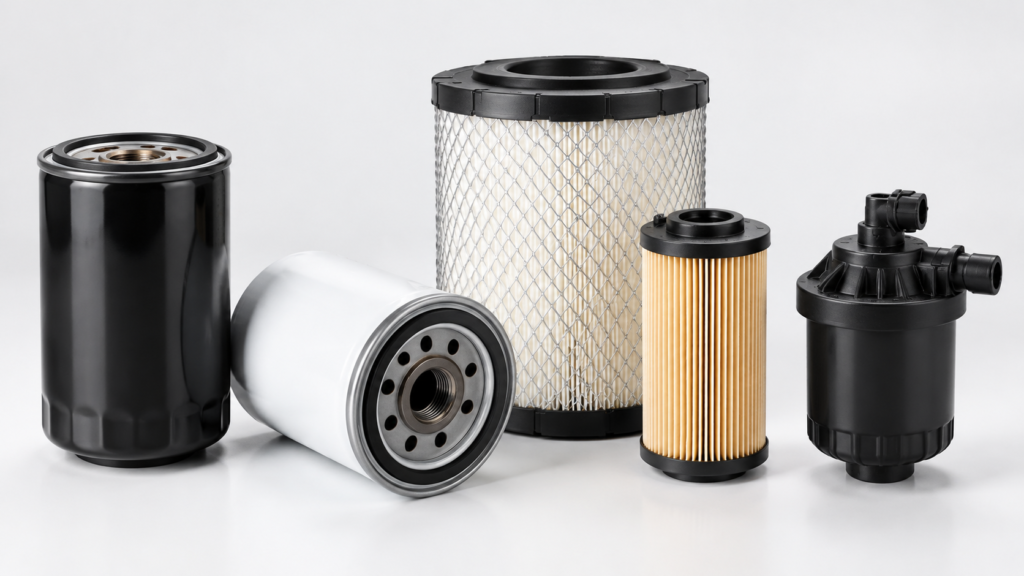
What Types of Filters Does a Cummins Engine Use?
The main Cummins filter types include fuel filters, oil filters, air filters, and crankcase ventilation filters. The exact setup varies by engine and application.
| Filter type | Main function |
| Fuel filter | Removes contaminants from diesel fuel. Some designs also separate water. |
| Oil filter | Removes contaminants from engine oil as it circulates through the lubrication system. |
| Air filter | Traps dust and other airborne particles before they enter the engine. |
| Crankcase or CCV filter | Separates oil mist from crankcase gases in systems designed to use this type of filter. |
Some engines and equipment also use coolant filters. Check the parts catalog for the specific engine to identify which filters it requires.
Cummins Fuel Filters
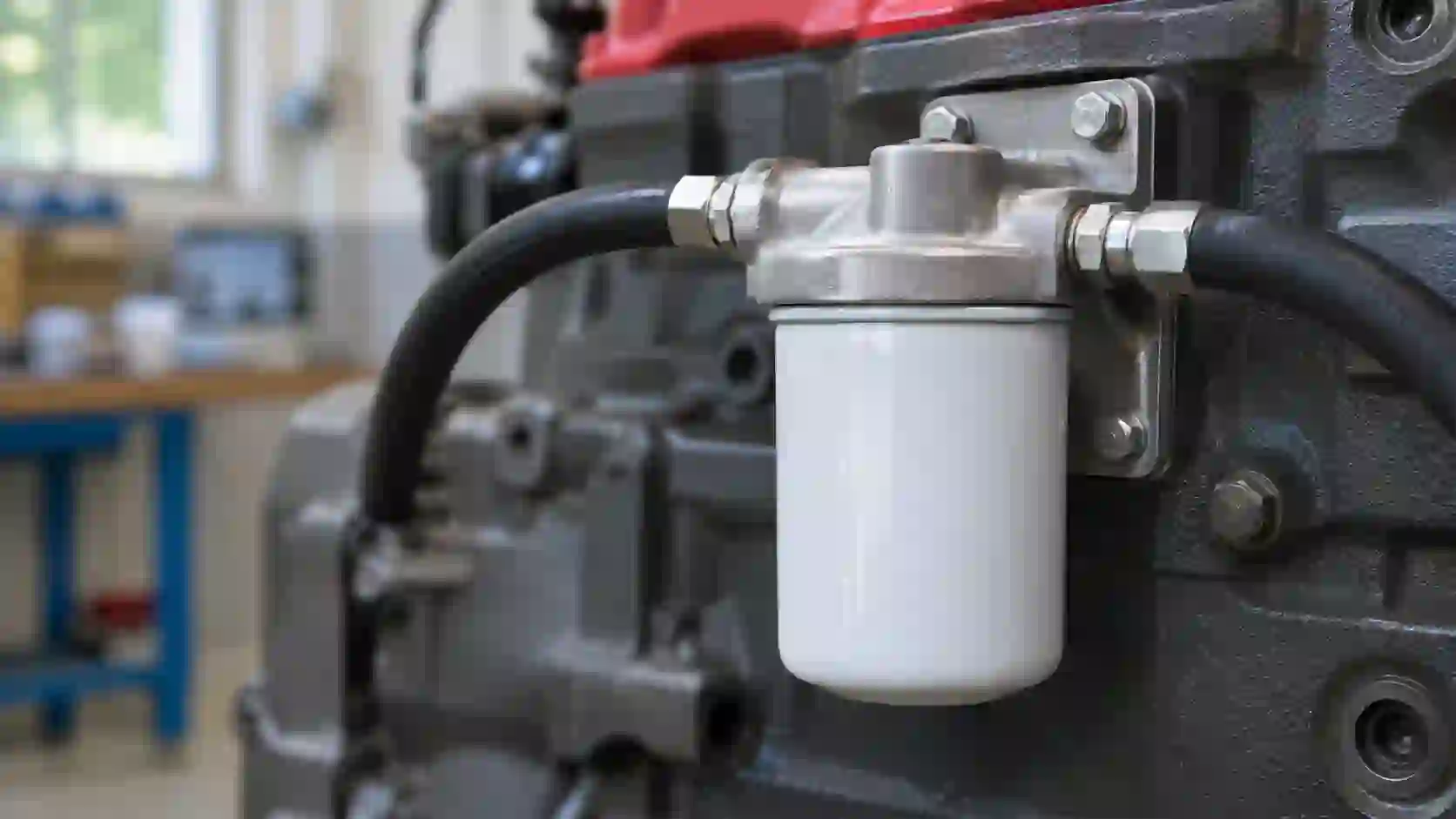
Diesel fuel may contain dirt, fine particles, and water that can damage fuel system components. A Cummins fuel filter removes contaminants before they reach sensitive parts of the system. Depending on the design, an engine may use a primary filter, a secondary filter, a fuel-water separator, or a combined unit.
For a practical example, our guide to the 6.7 Cummins fuel filter covers the Fleetguard FF5612 and related part numbers. These details apply to the relevant 6.7L applications, so verify compatibility before using them for another engine.
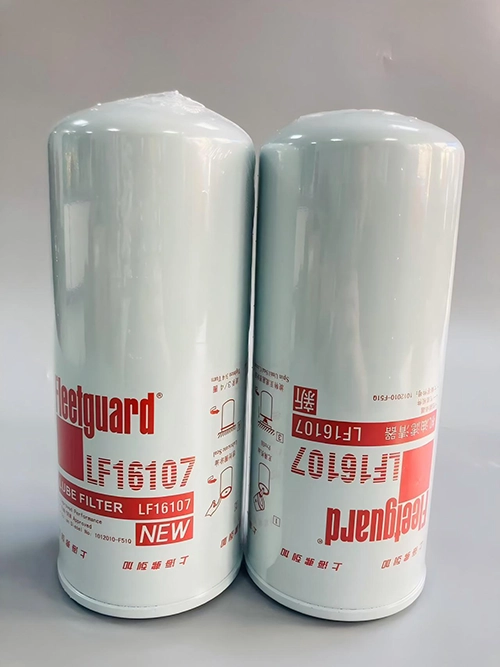
Cummins Oil Filters
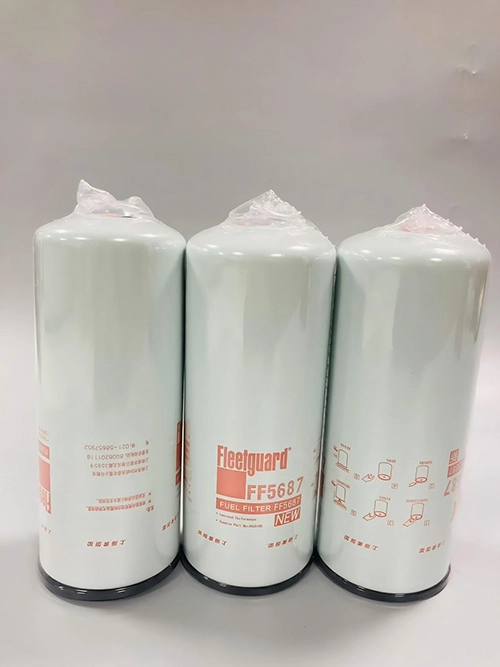
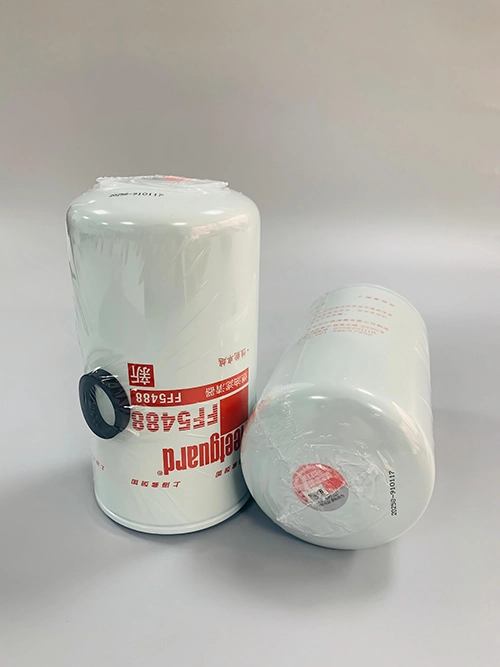
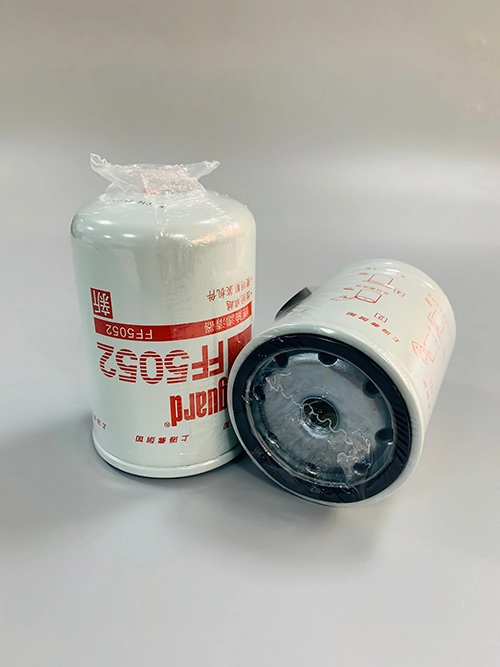
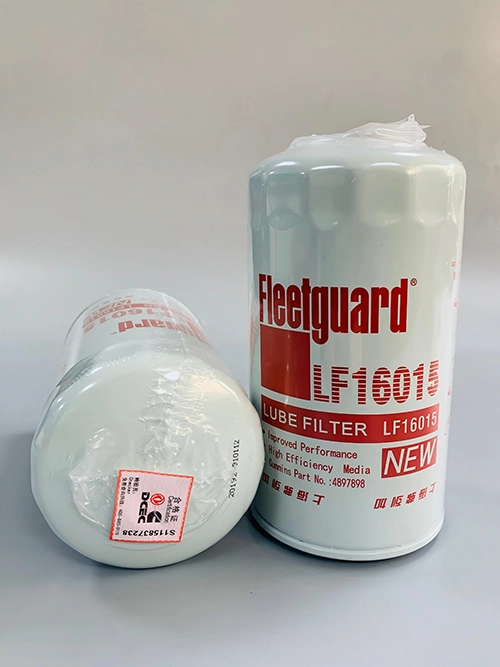
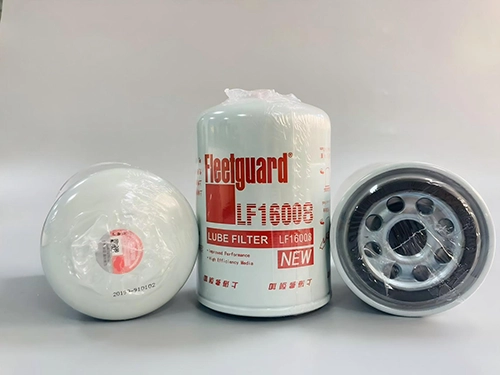
A Cummins oil filter captures contaminants carried by engine oil. Selecting the correct filter involves more than matching its diameter, thread, or height. The replacement must also meet the engine’s specified filtration and operating requirements.
For a model-specific example, see our 6.7 Cummins oil filter guide, which covers the Fleetguard LF16015 and related cross-reference information.
When changing the oil filter, check the engine’s oil capacity and oil specification as well. Our guide to 6.7 Cummins oil capacity explains the figures for a specified Ram 2500/3500 application and why they should not automatically be applied to every 6.7L Cummins engine.
Cummins Air Filters
A Cummins air filter prevents dust and other airborne particles from entering the engine through the intake. This is especially important for equipment operating on construction sites, farms, and unpaved roads.
Two factors matter when selecting an air filter: the correct application and a proper seal in the housing. A filter that does not fit correctly may allow unfiltered air to enter the intake.
Dusty working conditions can also affect how often the filter needs inspection. Follow the engine or equipment manufacturer’s maintenance instructions and any applicable restriction indicator. Do not rely on appearance alone to determine whether a filter needs replacement.
Cummins Crankcase and CCV Filters
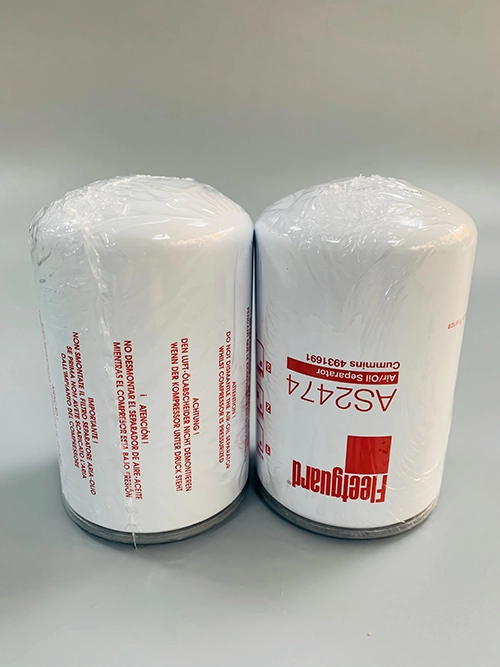
Crankcase ventilation systems manage gases that collect inside the engine during operation. Some systems use a crankcase ventilation filter or oil separator to remove oil mist before the gases follow the designated ventilation route.
The terms crankcase filter and CCV filter are often used for related components, but the designs are not identical across all engines. Some systems use replaceable filter elements, while others use different separation arrangements.
How to Choose the Right Cummins Filter
1. Identify the Engine
Record the complete engine model and, where available, the engine serial number (ESN). Use these details to find the relevant parts catalog or manufacturer documentation.
An equipment model alone may not identify the engine configuration precisely enough. The same engine family can have different parts requirements across applications and production versions.
2. Check the Original Part Number
If the old filter is available, check its part number and compare it with the catalog listing for the engine. Do not assume that a number printed on the housing or packaging identifies every compatible replacement.
If the original number has been superseded, verify that the updated number applies to the specific engine and application.
3. Verify Cross-Reference Information
A filter cross-reference can help identify potential alternatives from another catalog or brand, including Fleetguard. However, a cross-reference listing should be treated as a starting point, not automatic proof of compatibility.
Check the application notes and relevant specifications before ordering. If the catalog information is unclear, confirm the replacement using the engine serial number and original part number.
4. Compare the Required Specifications
Depending on the filter type, relevant specifications may include dimensions, thread size, gasket arrangement, filtration requirements, and flow characteristics. The applicable requirements vary by filter and engine system.
A filter that physically fits the housing may still be unsuitable for the application. Confirm the technical requirements rather than choosing by price or appearance alone.
When Should Cummins Filters Be Replaced?
Cummins filters do not all share one replacement interval. The service schedule depends on the engine, filter type, application, and operating conditions.
Use the maintenance schedule for the specific engine or equipment as your reference. Severe dust, fuel contamination, or other demanding conditions may affect inspection requirements, but any changes to the service interval should follow the applicable manufacturer guidance.
If a warning indicator appears or engine performance changes, check the relevant diagnostic procedure before assuming the filter is responsible. A symptom can have more than one cause.
Conclusion
Choosing the right Cummins filters starts with identifying the engine and checking the original part number. Fuel, oil, air, and crankcase ventilation filters serve different functions, so each replacement must match the requirements of its system.
For repair shops and parts distributors, verifying the application and cross-reference before ordering helps avoid incorrect replacements. When the part number is uncertain, use the engine serial number and relevant parts documentation to confirm compatibility.
Frequently Asked Questions About Cummins Filters
Q1: What filters does a Cummins diesel engine need?
A1: Fuel, oil, and air filters are common. Crankcase ventilation filters and other components depend on the engine design. Check the parts catalog for the exact configuration.
Q2: Are Cummins filters interchangeable between engine models?
A2: Not necessarily. Engines in the same family may require different filter configurations or specifications. Verify the part number and application before using a replacement.
Q3: How do I find the correct Cummins filter part number?
A3: Start with the engine model and serial number, then check the relevant parts catalog. If you have the original filter number, use it to identify possible replacements and confirm that the application matches.
Q4: Can I use a Fleetguard filter as a Cummins filter replacement?
A4: A Fleetguard filter may be suitable when its part number and specifications match the requirements for the engine. Check the relevant catalog information rather than assuming that all filters from the same brand are interchangeable.
Q5: How often should Cummins filters be changed?
A5: The interval varies by engine, filter type, and operating conditions. Follow the maintenance schedule for the specific engine or equipment instead of applying one interval to every Cummins filter.