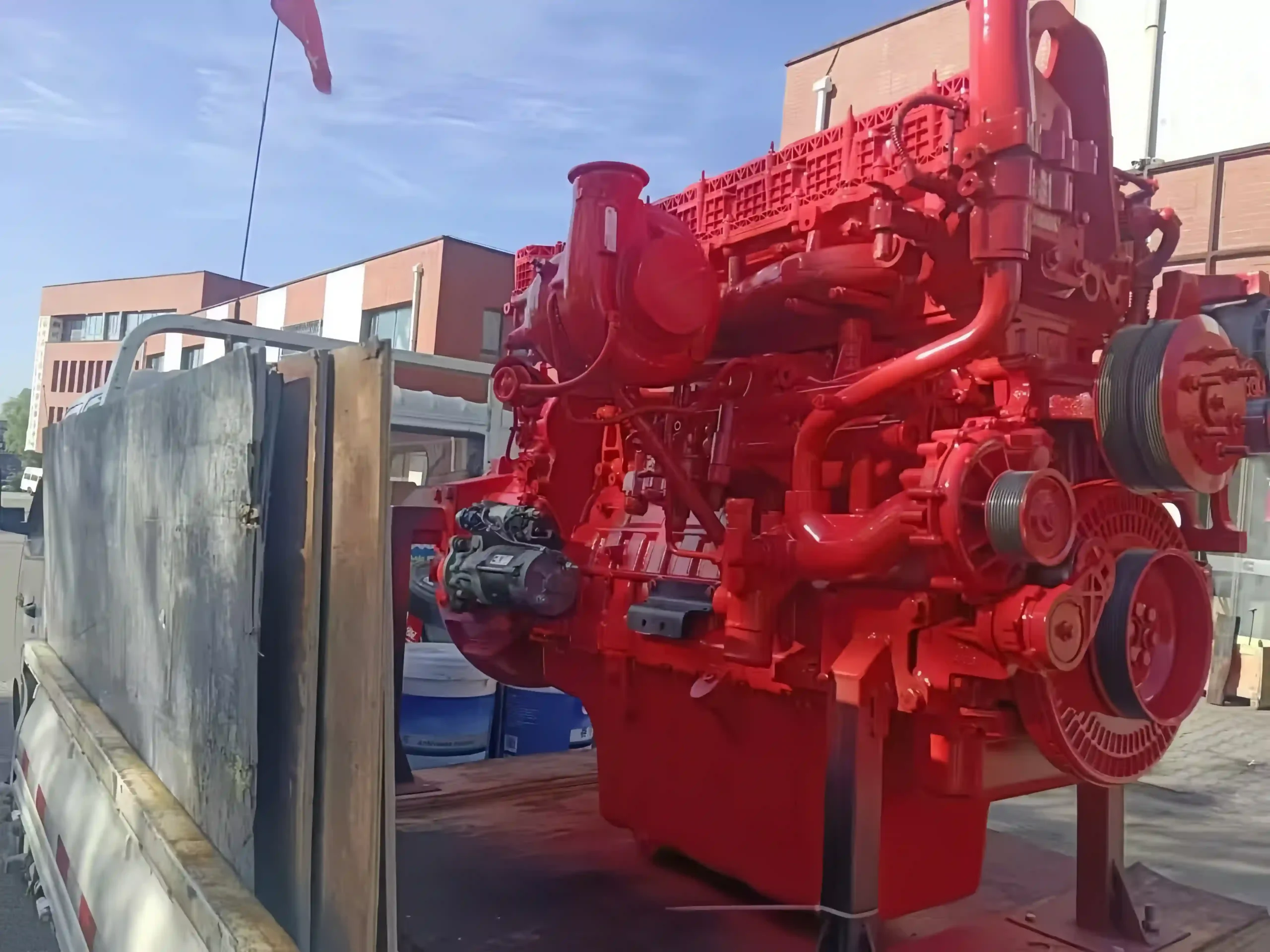




Cummins is more than just a brand; it is a global symbol of diesel engineering. For over a century, the company has shaped the way the world moves. In this guide, we explore the rich Cummins engine history and the massive market share that makes it the industry leader today.
1. A Century of Excellence: The Cummins History
The story began in 1919. Clessie Cummins, a visionary inventor, saw the potential in diesel technology. Initially, the company struggled to find its place in the market. However, through relentless innovation and high-quality manufacturing, Cummins eventually became the gold standard for reliable power. Today, the company operates in over 190 countries, proving its enduring legacy.
2. Global Market Presence and Engine Population
One of the most impressive facts about Cummins is its market share. In fact, there are millions of Cummins engines currently in operation worldwide.
- Trucking: Cummins holds a dominant position in the heavy-duty truck market.
- Construction: Their engines power a vast majority of the world’s excavators and loaders.
- Industrial: Furthermore, the high market population ensures that parts and technical support are always within reach. This makes Cummins the safest investment for fleet owners.
3. The Joint Venture Powerhouses: DCEC, CCEC, and XCEC
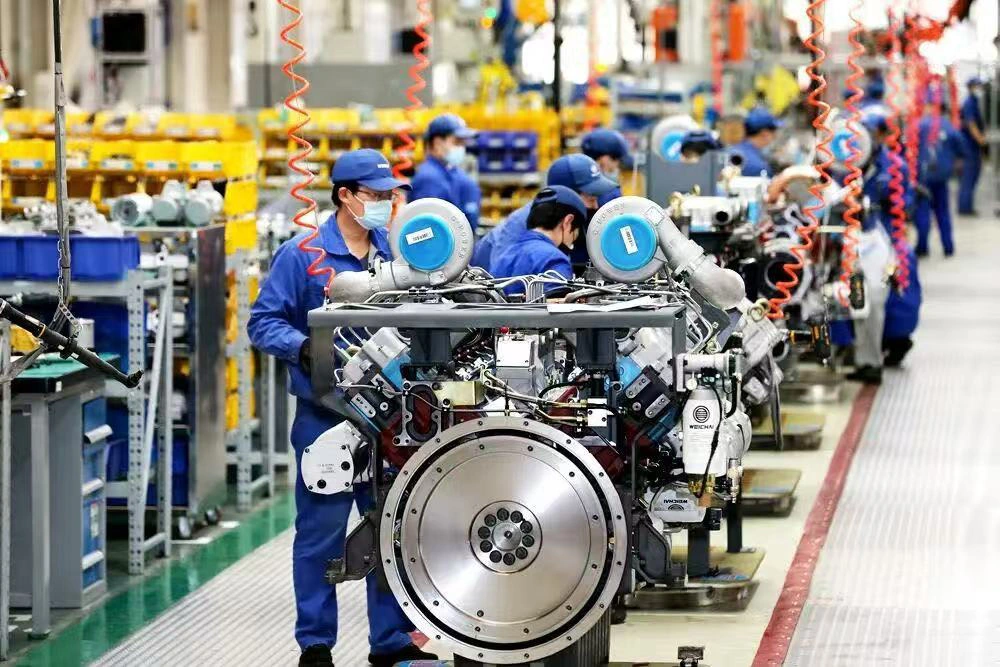
To support its global demand, Cummins established key joint ventures in China. These factories are now critical to the global supply chain.
DCEC (Dongfeng Cummins)
DCEC focuses on the high-volume medium-duty market. In addition, they produce the legendary B, C, and L series engines. These models represent a significant portion of the global market share for mid-range trucks.
CCEC (Chongqing Cummins)
CCEC is the hub for High Horsepower (HHP) engines.
- Models: NT855, KTA19, KTA38, and KTA50.
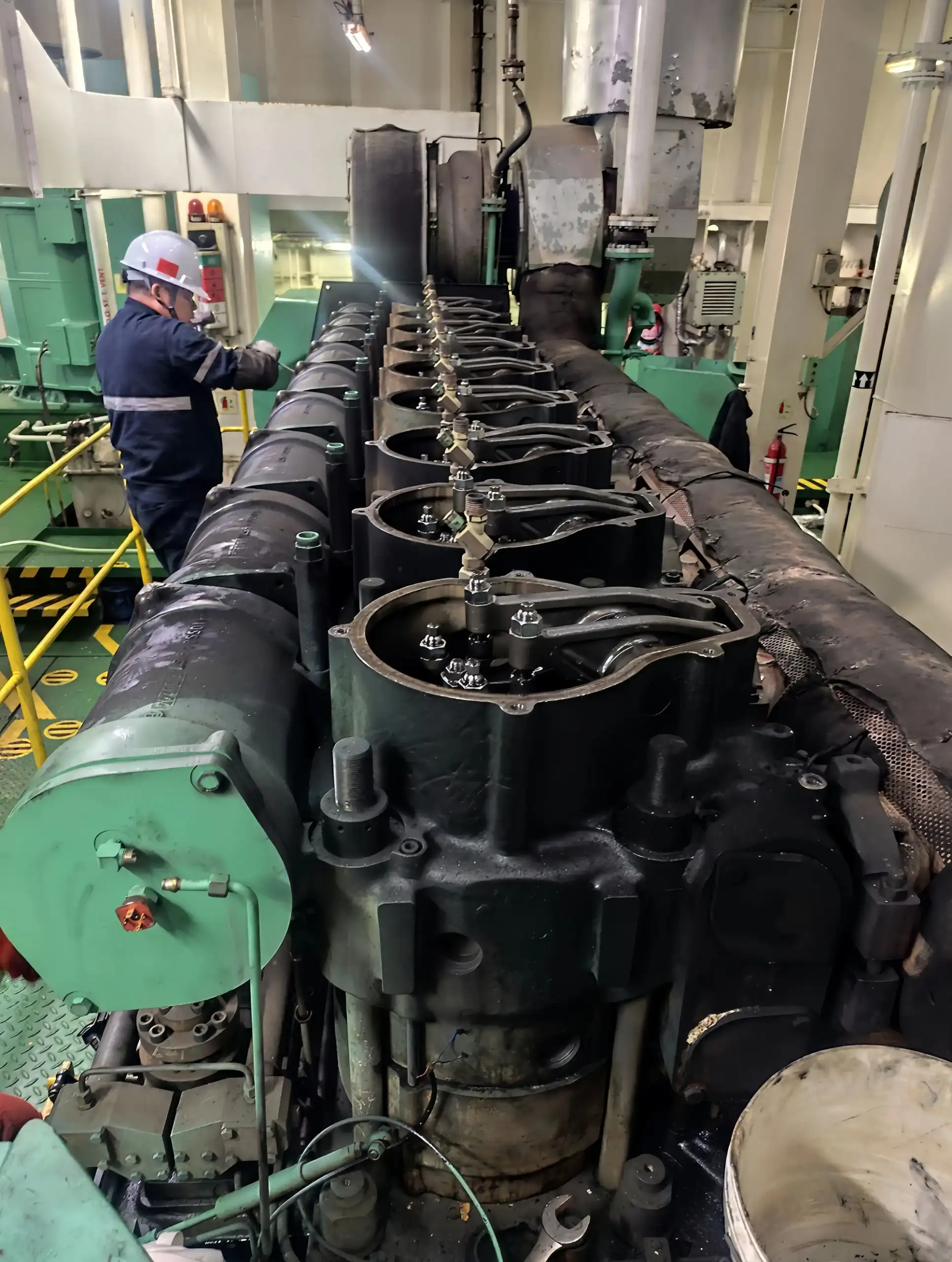
- Impact: These engines are the backbone of the global mining and marine industries. Consequently, CCEC is synonymous with extreme power and durability.
XCEC (Xi’an Cummins)
XCEC specializes in the ISM11 and M12 series. Therefore, they provide advanced power solutions for long-distance logistics, combining fuel efficiency with high performance.
4. Technical Comparison of Global Models
| Series | Power Range | Industry Role | Market Status |
| B Series (4BT/6BT) | 80 – 300 HP | Light/Medium Duty | World’s most popular |
| K Series (K19/K38) | 450 – 2000+ HP | Mining/Marine | High Horsepower Leader |
| M Series (ISM/M12) | 300 – 500 HP | Heavy-Duty Truck | Modern Logistics Standard |
5. Why Ownership Matters: Rebuilding for the Future
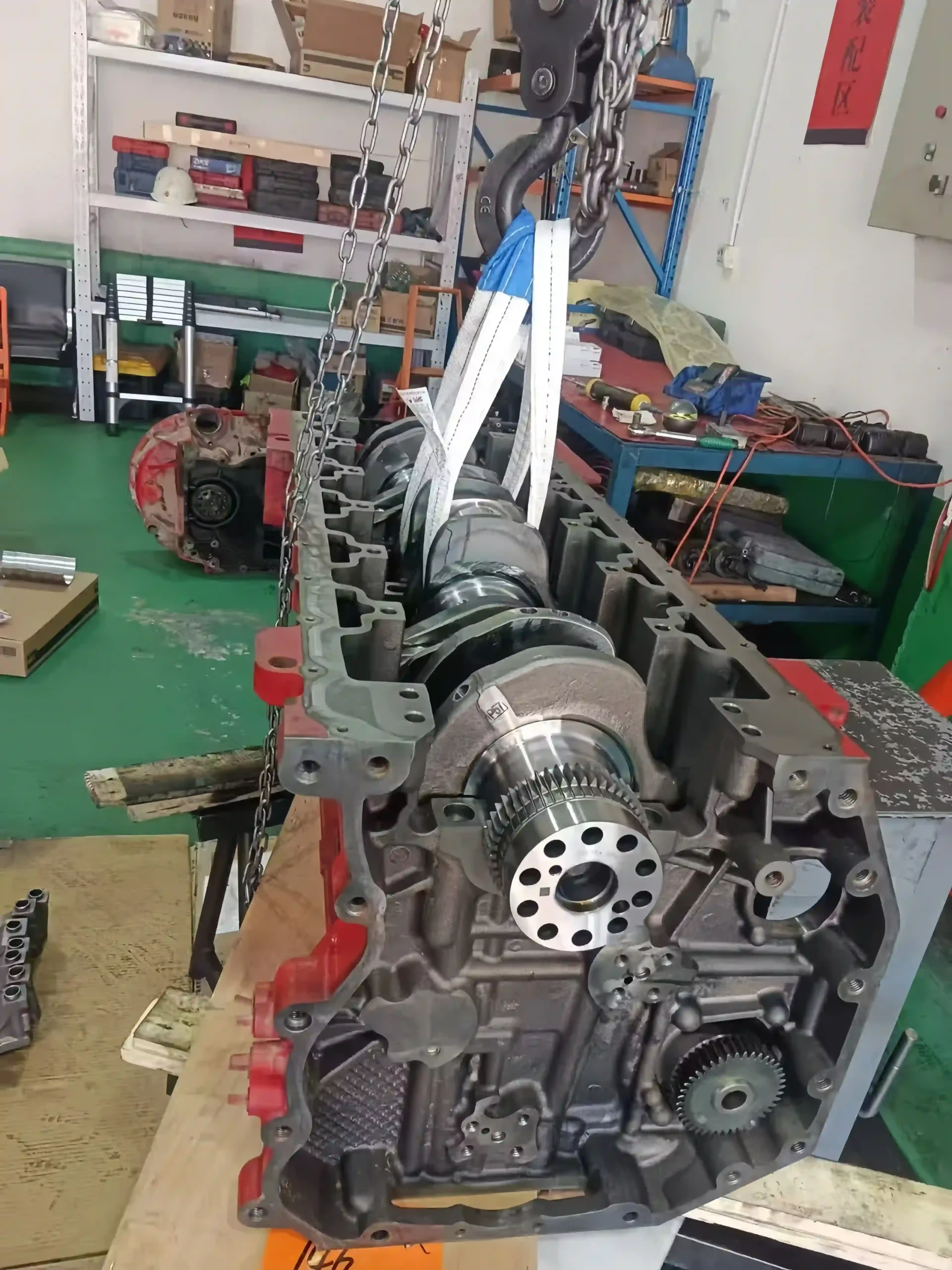
Because the market population is so high, maintaining these engines is a sustainable choice. In summary, a Cummins engine is designed to be rebuilt, not replaced. At YZDL Parts, we understand this history and support owners with the technical insights they need to keep these legends running. Actually, using the right technical guides is the best way to honor the 100-year history of your engine.
Conclusion
From a small workshop in 1919 to a global powerhouse, Cummins has defined the diesel industry. By understanding the history and the vast network of DCEC, CCEC, and XCEC, you can better appreciate the machine under your hood. For more in-depth technical data, stay tuned to the YZDL Parts resource center.
“Check out our latest technical presentation on SlideShare: The History of Cummins Engines: Evolution, Power, and Iconic Models”