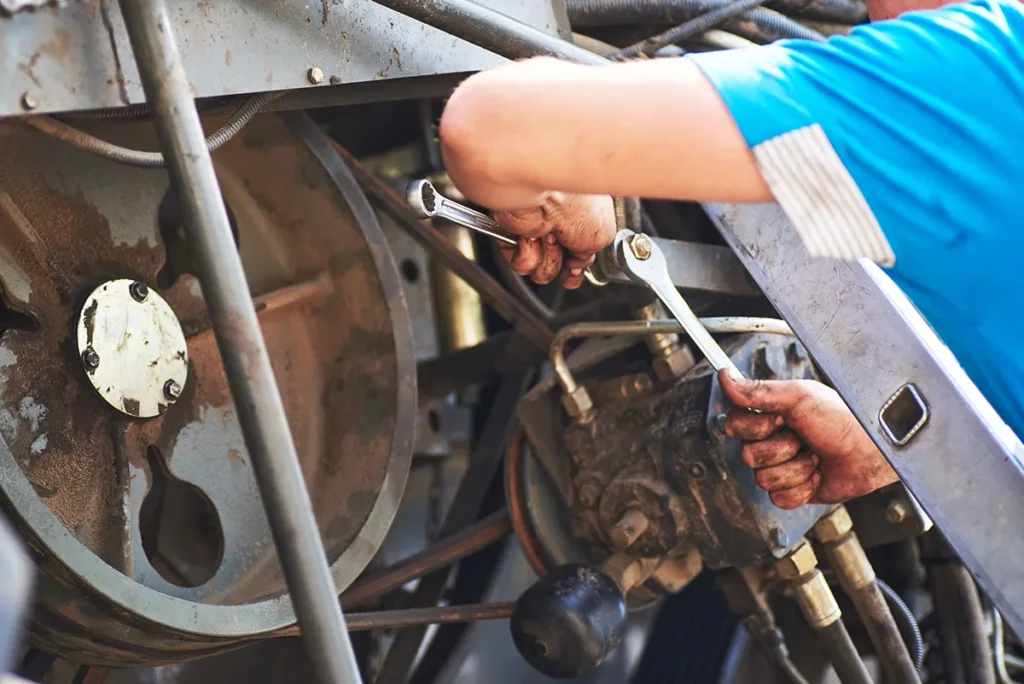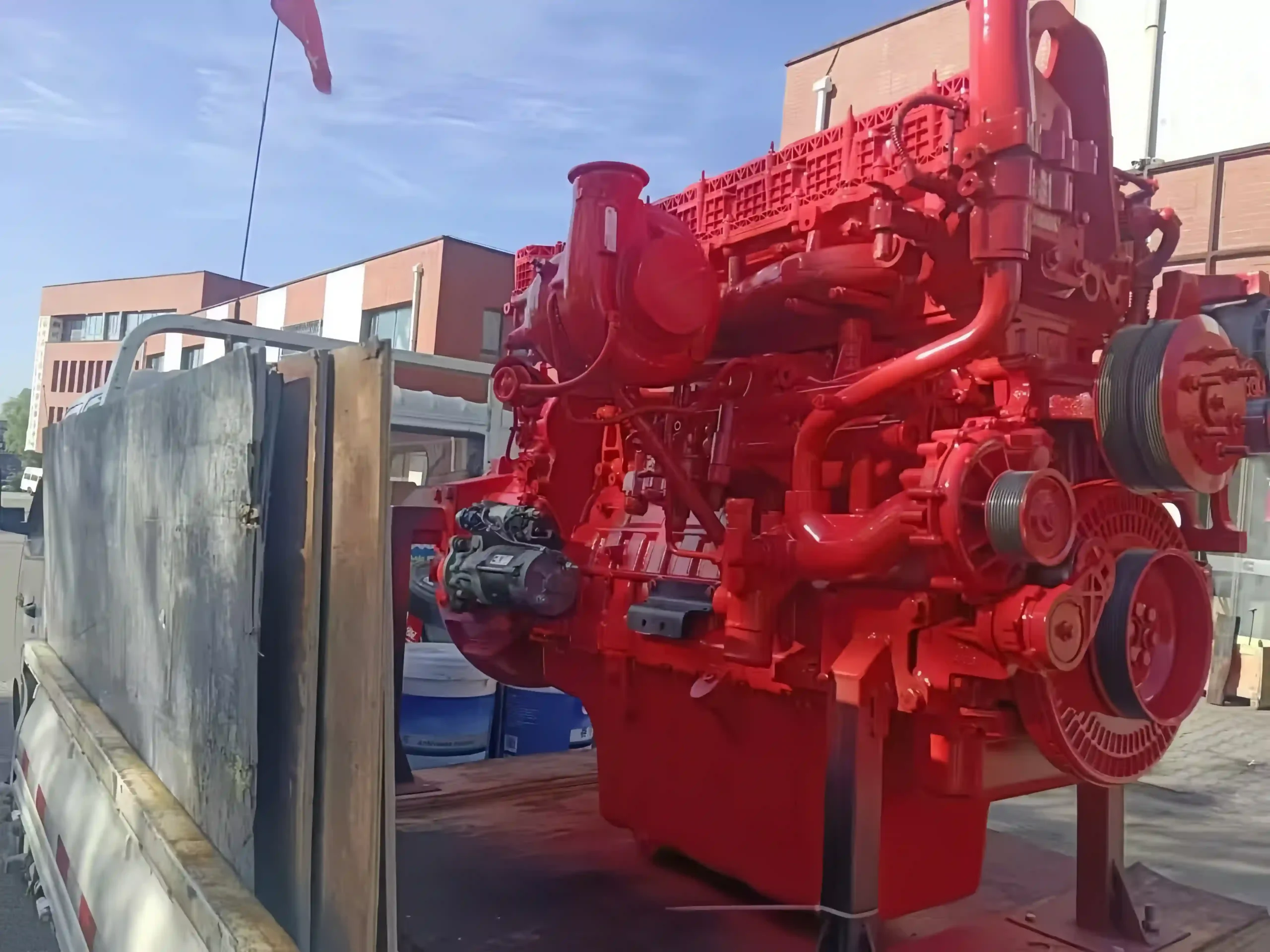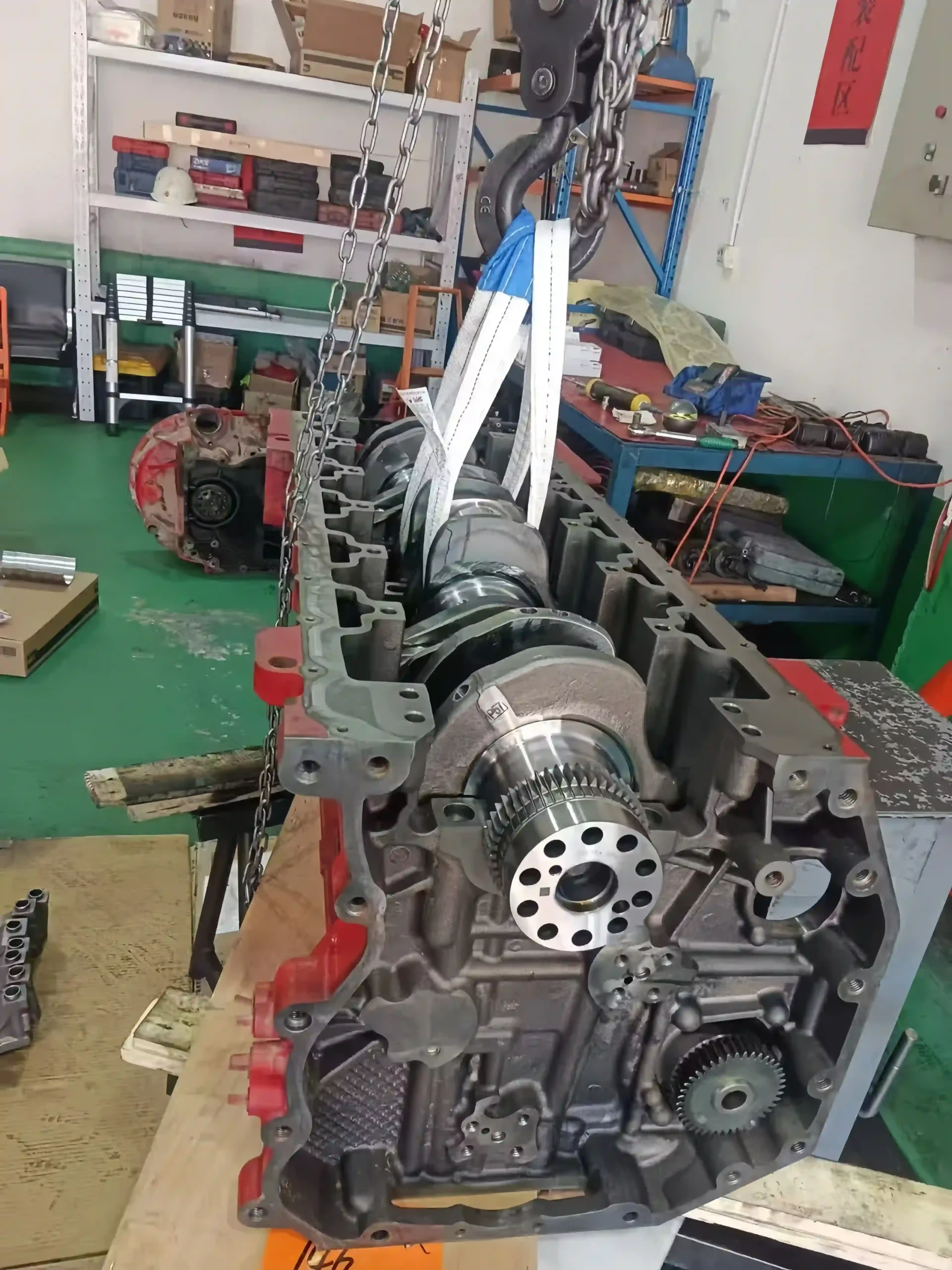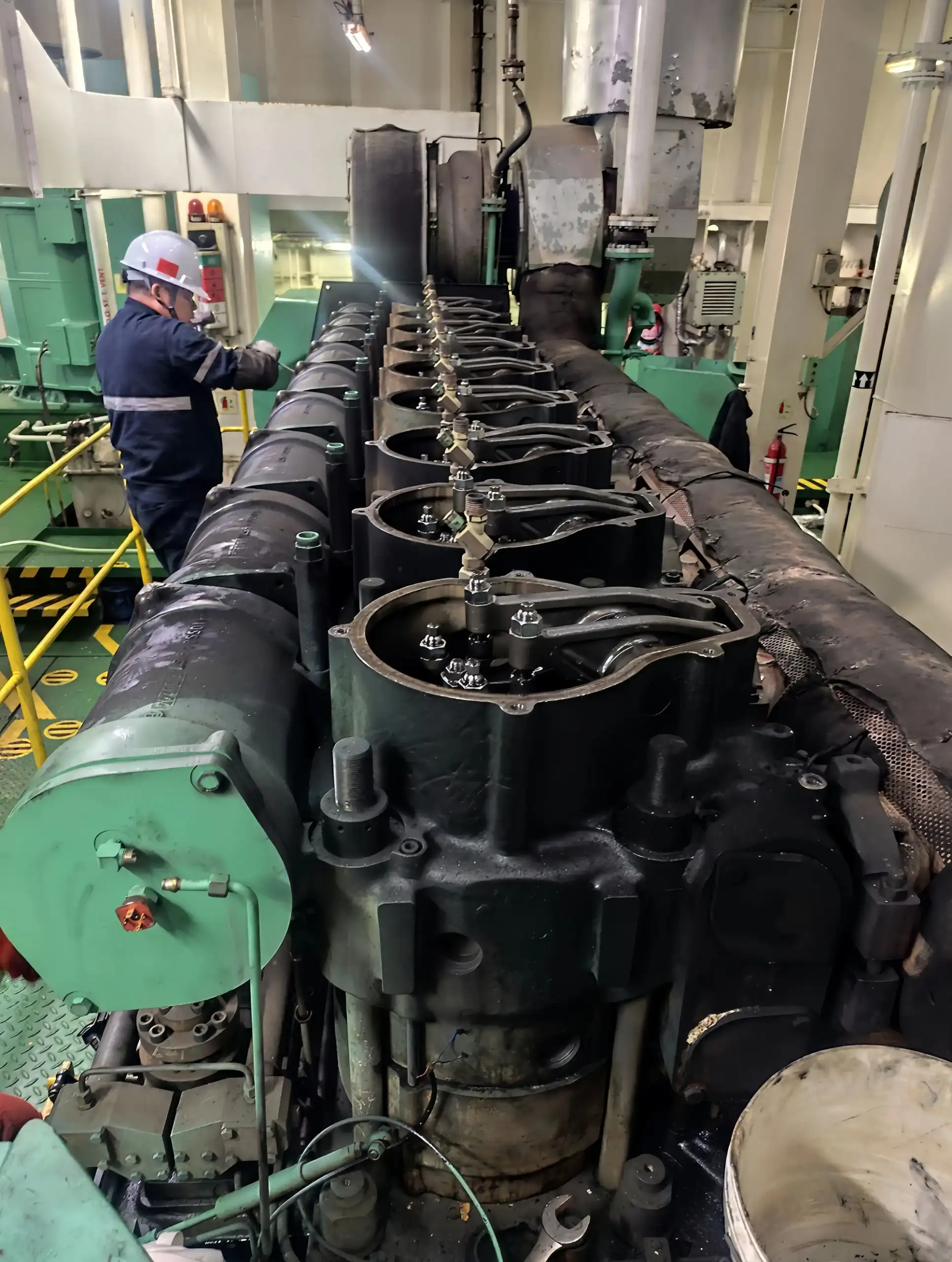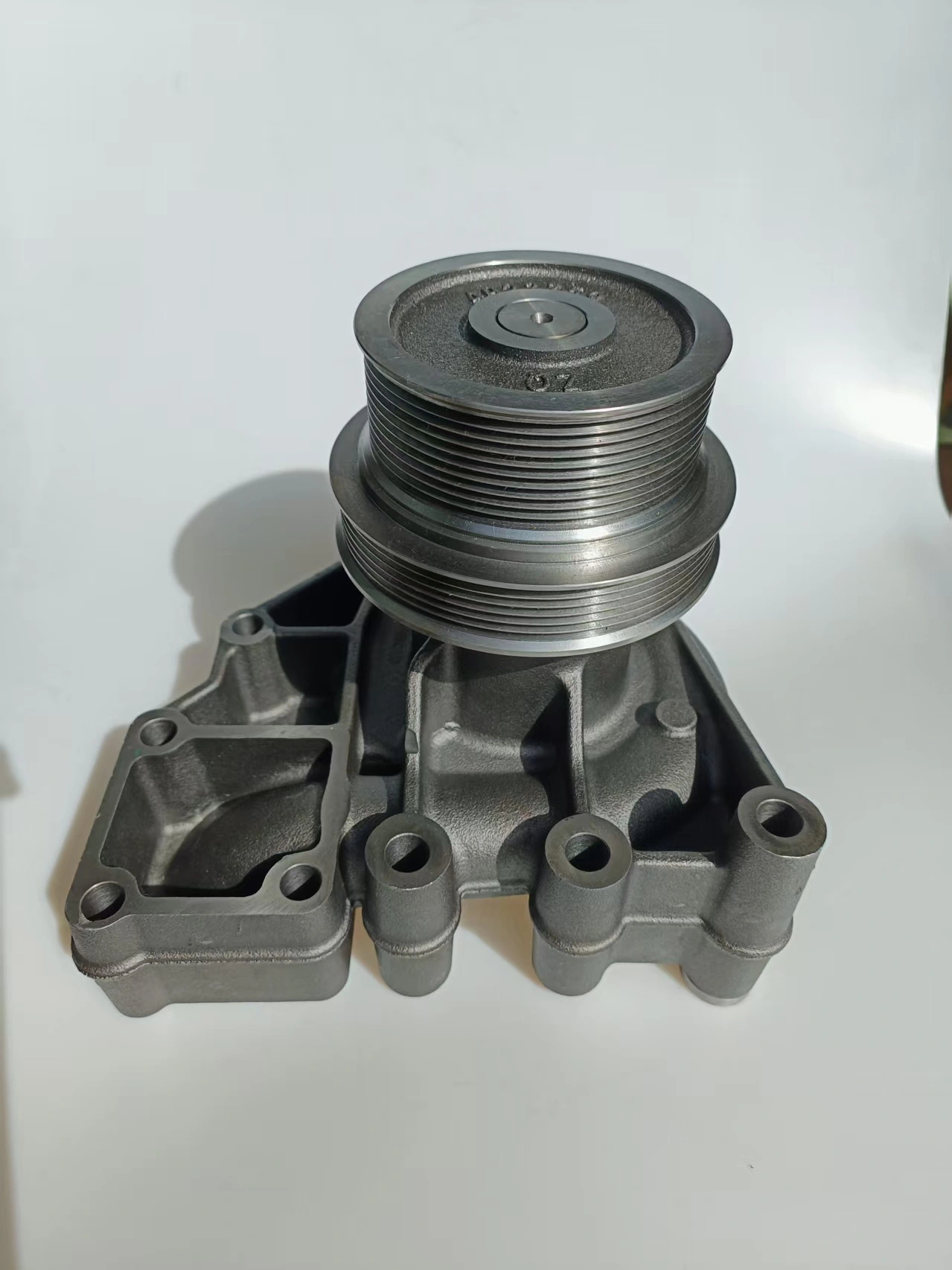




Proper Cummins engine maintenance is essential for ensuring long-term reliability, optimal performance, and reduced downtime in heavy-duty diesel applications. Cummins engines are widely used in construction equipment, commercial trucks, marine engines, and power generation systems due to their durability and high torque output. However, even the most robust diesel engines require regular inspection, preventive maintenance, and timely replacement of key components to maintain peak performance.
Regular maintenance not only extends engine lifespan but also improves fuel efficiency, reduces unexpected breakdowns, and protects critical components such as fuel injectors, turbochargers, and cooling systems. A well-maintained Cummins diesel engine can operate for hundreds of thousands of miles when proper service intervals and maintenance routines are followed.
This comprehensive guide explains the most important Cummins engine maintenance practices, including routine inspections, maintenance schedules, and system-specific service tips to help keep diesel engines running reliably for years.
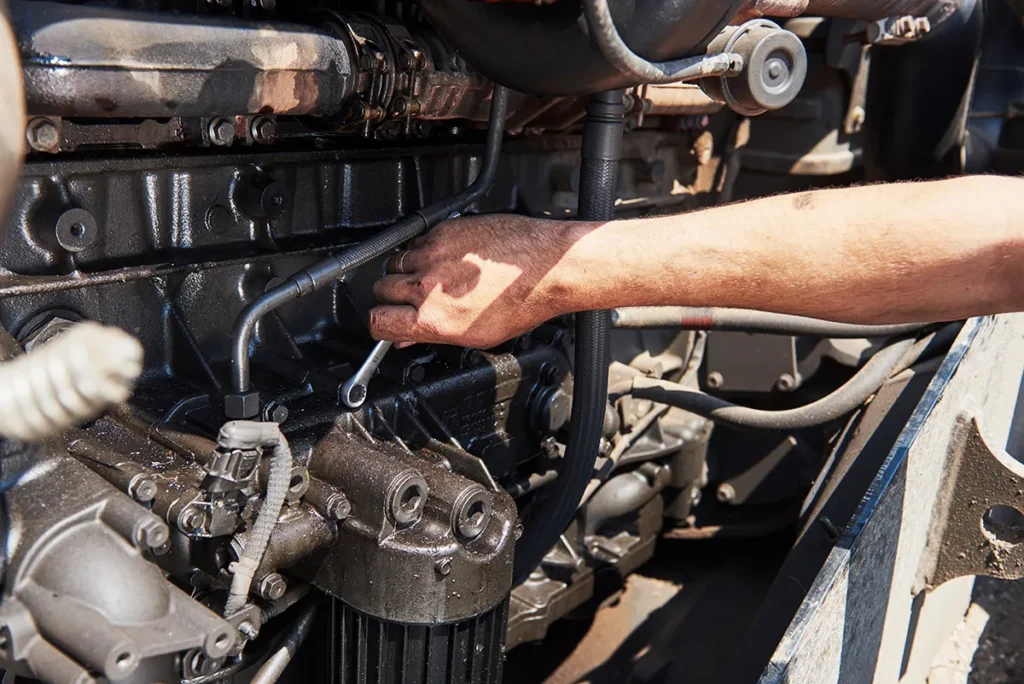
Why Cummins Engine Maintenance Matters
Regular maintenance is the key factor that determines the longevity and efficiency of diesel engines. Cummins engines operate under high compression ratios and extreme operating conditions, which makes preventive maintenance even more important.
Key Benefits of Proper Cummins Engine Maintenance
Extends diesel engine lifespan
Reduces unexpected mechanical failures
Improves fuel efficiency and engine performance
Prevents costly repairs and downtime
Ensures safe and reliable engine operation
Diesel engines generate higher levels of soot and contaminants compared to gasoline engines. Without routine maintenance, deposits can accumulate inside the fuel system, lubrication system, and air intake system, eventually leading to performance loss or mechanical failure.
For businesses operating heavy equipment or commercial fleets, consistent maintenance routines are essential to minimize operational risks and maintain productivity.
Essential Cummins Engine Maintenance Checklist
Preventive maintenance begins with a structured inspection checklist. The following maintenance tasks should be performed regularly to ensure optimal engine performance.
Routine Diesel Engine Maintenance Tasks
| Maintenance Task | Recommended Interval | Purpose |
|---|---|---|
| Engine oil change | 5,000–10,000 miles | Reduce friction and engine wear |
| Fuel filter replacement | 10,000–15,000 miles | Prevent injector contamination |
| Air filter inspection | 15,000–30,000 miles | Maintain proper airflow |
| Cooling system inspection | Every service interval | Prevent overheating |
| Turbocharger inspection | Every major service | Ensure proper boost pressure |
| Belt and hose inspection | Regular inspection | Prevent mechanical failure |
Regularly following this maintenance checklist helps reduce engine wear and improve reliability.
Fuel System Maintenance
The fuel system is one of the most critical components in any diesel engine. Contaminated fuel or clogged filters can quickly damage injectors and fuel pumps.
Fuel System Maintenance Tips
Replace fuel filters regularly
Drain water separators to remove moisture
Use high-quality diesel fuel
Inspect fuel lines for leaks or blockages
Check injector performance periodically
Modern Cummins engines rely on high-pressure fuel injection systems, which require clean fuel to maintain proper combustion efficiency.
Fuel injectors are especially sensitive to contamination, and clogged injectors can cause rough idling, poor fuel economy, and engine misfires.
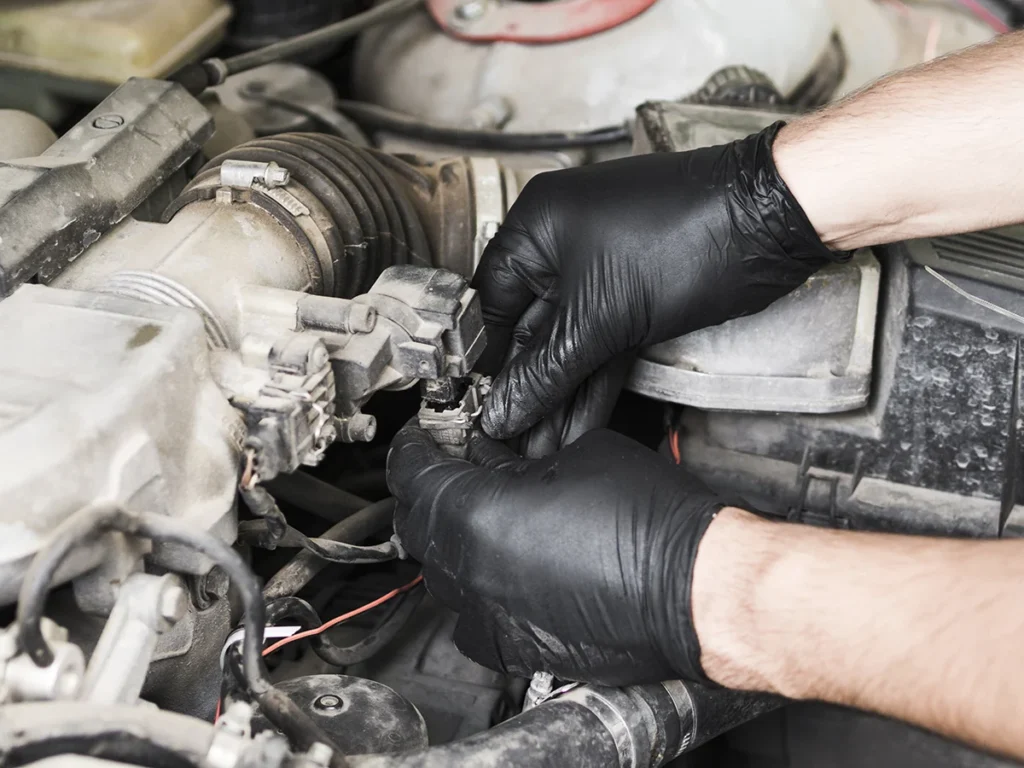
Cooling System Maintenance
Diesel engines generate significant heat during operation. The cooling system prevents overheating and protects internal components from thermal damage.
Cooling System Inspection Checklist
Check coolant levels regularly
Inspect radiator for blockages or leaks
Replace coolant according to service schedule
Examine hoses for cracks or deterioration
Test thermostat and water pump functionality
A malfunctioning cooling system can lead to engine overheating, warped cylinder heads, or blown head gaskets.
Maintaining proper coolant quality is essential to prevent corrosion and scale buildup inside the engine.
Lubrication System and Oil Maintenance
Lubrication plays a vital role in protecting engine components from friction and wear. Diesel engines produce soot and carbon particles that can contaminate engine oil over time.
Oil Maintenance Best Practices
Change engine oil according to recommended intervals
Use manufacturer-approved diesel engine oil
Replace oil filters during every oil change
Monitor oil pressure levels
Clean oil ensures proper lubrication of critical components such as pistons, crankshafts, and camshafts.
Turbocharger Maintenance
Many Cummins diesel engines are turbocharged to increase power output and improve fuel efficiency. However, turbochargers operate at extremely high speeds and temperatures.
Turbocharger Care Tips
Allow the engine to idle briefly before shutdown
Ensure proper lubrication through regular oil changes
Inspect turbocharger housing for oil leaks
Monitor boost pressure levels
Proper turbocharger maintenance improves engine power and prevents premature turbo failure. During routine inspections, technicians often check surrounding components and replace worn parts using high-quality Cummins engine parts designed specifically for heavy-duty diesel engines.
Cummins Engine Maintenance Schedule
A structured maintenance schedule helps prevent unexpected failures and ensures that all engine systems operate efficiently.
Typical Cummins Diesel Engine Maintenance Schedule
| Service Interval | Maintenance Task |
|---|---|
| Daily inspection | Check oil level, coolant, and warning lights |
| 5,000 miles | Oil and oil filter change |
| 10,000 miles | Fuel filter inspection |
| 15,000 miles | Air filter replacement |
| 30,000 miles | Turbocharger and cooling system inspection |
| Annual service | Full engine diagnostic inspection |
Following a structured maintenance schedule significantly improves diesel engine reliability and operational efficiency.
Warning Signs Your Cummins Engine Needs Maintenance
Early detection of engine problems can prevent costly repairs and downtime.
Common Warning Signs
Hard Engine Starts
Difficulty starting the engine may indicate problems with glow plugs, fuel injectors, or fuel pressure.
Excessive Exhaust Smoke
Different smoke colors can indicate different issues:
| Smoke Color | Possible Cause |
|---|---|
| Black smoke | Excess fuel or clogged air filter |
| Blue smoke | Oil consumption |
| White smoke | Fuel injection issues |
Reduced Engine Power
Loss of engine power may result from clogged filters, turbocharger issues, or fuel system problems.
Increased Fuel Consumption
Poor fuel efficiency often signals engine inefficiencies or overdue maintenance.
Monitoring these warning signs helps identify problems early and prevent major engine damage.
Preventive Maintenance Tips for Long Engine Life
Preventive maintenance strategies can dramatically extend diesel engine lifespan.
Best Practices
Follow manufacturer maintenance schedules
Use high-quality replacement parts
Maintain clean fuel and lubrication systems
Monitor engine performance regularly
Keep accurate maintenance records
A properly maintained Cummins diesel engine can operate reliably for hundreds of thousands of miles.
Repair kits are commonly used during major maintenance procedures to replace worn engine components.
Conclusion
Consistent كامينز engine maintenance is the foundation of long-term diesel engine performance and reliability. By following a structured maintenance schedule, inspecting key systems regularly, and replacing worn components when necessary, operators can significantly extend engine lifespan while minimizing costly downtime.
Whether used in heavy-duty trucks, construction equipment, or industrial applications, Cummins engines deliver exceptional durability when supported by proper maintenance routines.
Investing time in preventive maintenance today helps ensure reliable engine performance for years to come.
FAQ
How often should Cummins engines be serviced?
Most Cummins diesel engines require routine maintenance every 5,000 to 10,000 miles, depending on operating conditions and engine load.
What is the most important Cummins engine maintenance task?
Regular oil changes and fuel filter replacement are among the most important maintenance tasks for protecting engine components.
Why is fuel system maintenance important for diesel engines?
Diesel fuel contamination can damage injectors and fuel pumps, leading to poor combustion and reduced engine performance.
How long can a Cummins diesel engine last?
With proper maintenance, many Cummins diesel engines can operate reliably for several hundred thousand miles.
What causes overheating in diesel engines?
Overheating is usually caused by coolant leaks, radiator blockages, or malfunctioning thermostats.