










في محرك الديزل, حشيات الجلوس بين المكونات المعدنية وأسطح التزاوج المانعة للتسرب للحفاظ على الضغط والزيت وسائل التبريد. إنها أجزاء صغيرة، لكنها جزء من كيفية احتفاظ المحرك بالضغط والحفاظ على السوائل في مكانها الصحيح. أثناء التركيب، تصبح الاختلافات بين مجموعات الحشيات واضحة. لا تصطف بعض الأجزاء كما هو متوقع، أو لا يتم تضمين قطع معينة للإصلاح. لذا من المنطقي أن نلقي نظرة على كيفية اختيار مجموعة حشية محرك الديزل قبل الشروع في العمل.
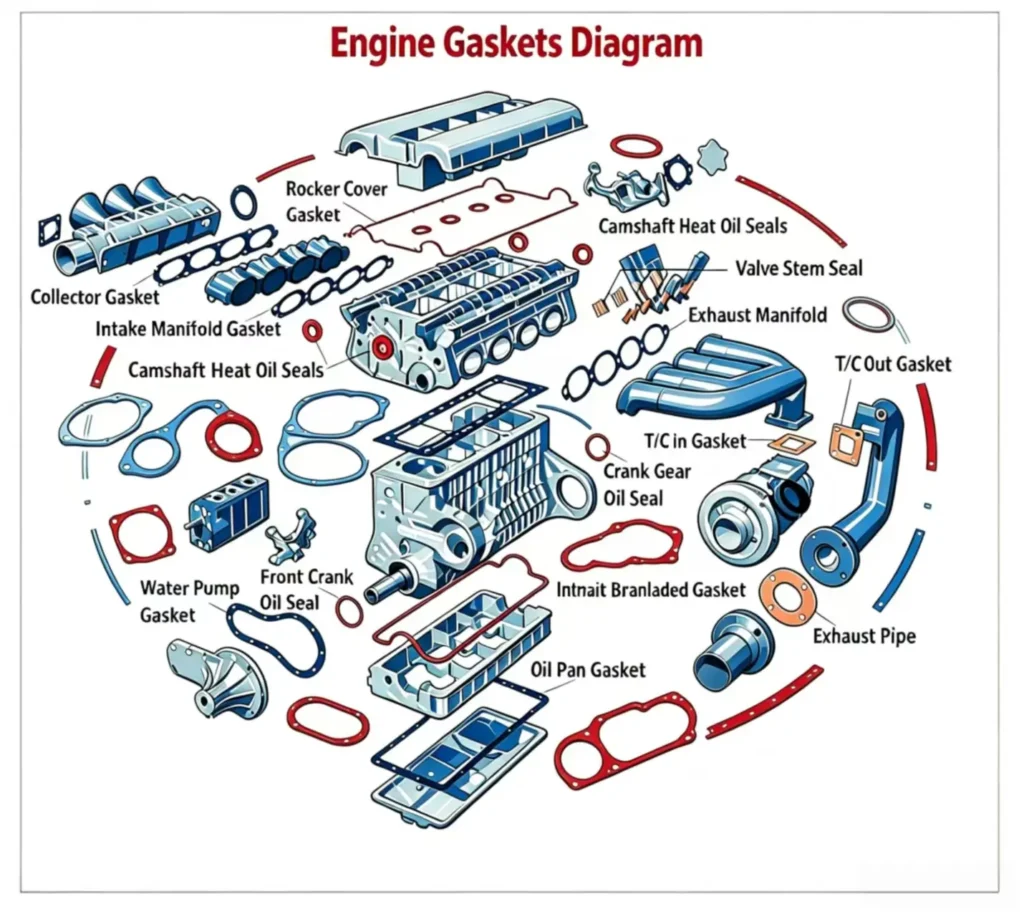
كيفية اختيار مجموعة حشية محرك الديزل بناءً على طراز المحرك
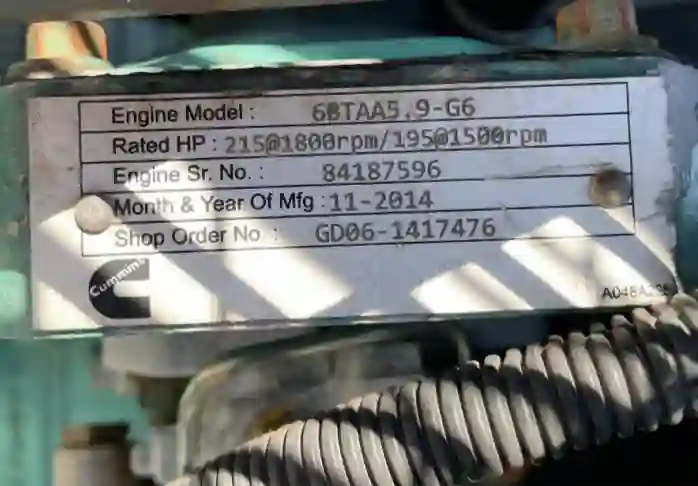
أول شيء يجب التأكد منه دائماً هو طراز المحرك. مجموعات الحشية ليست عالمية. حتى داخل نفس العلامة التجارية، يمكن أن تكون الاختلافات بين الطرازات كبيرة. على سبيل المثال، تأتي المحركات من شركة Cummins في سلاسل متعددة، وتختلف تكوينات الحشية وفقًا لذلك.
حتى الاختلافات الصغيرة في تفاصيل الطراز يمكن أن تؤثر على توافق الحشية. قد تبدو المحركات مثل Cummins 6BT أو ISX أو QSX متشابهة في لمحة سريعة، ولكن مجموعات الحشيات الخاصة بها غير قابلة للتبديل.
على سبيل المثال، تستخدم محركات مثل Cummins M11 أو سلسلة ISX تكوينات حشية مختلفة، ومجموعات الحشية الخاصة بها غير قابلة للتبديل. أطقم محددة مثل طقم حشية المحرك السفلي 408998-M11 أو أطقم حشية ISX15 مصممة لنطاقات إصلاح معينة.
موديلات محركات الديزل الشائعة ومرجع اختيار مجموعة الحشيات
| طراز المحرك | سلسلة المحركات | التطبيق النموذجي | نطاق الإصلاح | نوع طقم الحشية الموصى به | الملاحظات |
| Cummins 6BT | السلسلة ب | الشاحنات، معدات البناء | إصلاحات طفيفة إلى متوسطة | مجموعة علوية أو جزئية | محرك مشترك، وعادة ما يكون من السهل مطابقته |
| كامينز 6CT | السلسلة C | الشاحنات الثقيلة والآلات | إصلاحات متوسطة إلى كبيرة | مجموعة كاملة أو علوية | يجب التحقق من اختلافات التكوين |
| كومينز ISX | السلسلة X | شاحنات الخدمة الشاقة | إصلاح/إصلاح شامل | مجموعة حشية كاملة | نظام أكثر تعقيداً، المجموعة الكاملة عادةً ما تكون الخيار الأكثر أماناً |
| Cummins QSX15 | سلسلة QSX | التعدين والمعدات الصناعية | إصلاحات رئيسية | مجموعة حشية كاملة | ظروف التحميل العالية، وجودة المواد أكثر أهمية |
| كامينز K19 | سلسلة K | البحرية، مجموعات المولدات الكهربائية | إصلاحات رئيسية | مجموعة حشية كاملة | المحركات الأكبر حجماً، تستخدم عادةً أطقم كاملة |
هذا الجدول للرجوع إليه بشكل عام. من الناحية العملية، لا يزال الاختيار النهائي يعتمد على تكوين المحرك وظروف الإصلاح.
من الناحية العملية، فإن الحصول على المعلومات التالية يجعل الاختيار أسهل بكثير:
- طراز المحرك
- الرقم التسلسلي للمحرك (إن وجد)
- نوع الاستخدام، مثل الشاحنة أو المولد أو معدات البناء
فهم الأنواع المختلفة لمجموعات حشية محرك الديزل المختلفة
إحدى أكثر نقاط الالتباس شيوعاً هي نوع طقم الحشية. لا يحتاج كل إصلاح إلى مجموعة كاملة. في بعض الحالات، يؤدي اختيار النوع الخاطئ إلى تكلفة غير ضرورية. وفي حالات أخرى، يخلق مشاكل أثناء التركيب لأن بعض الأجزاء مفقودة.
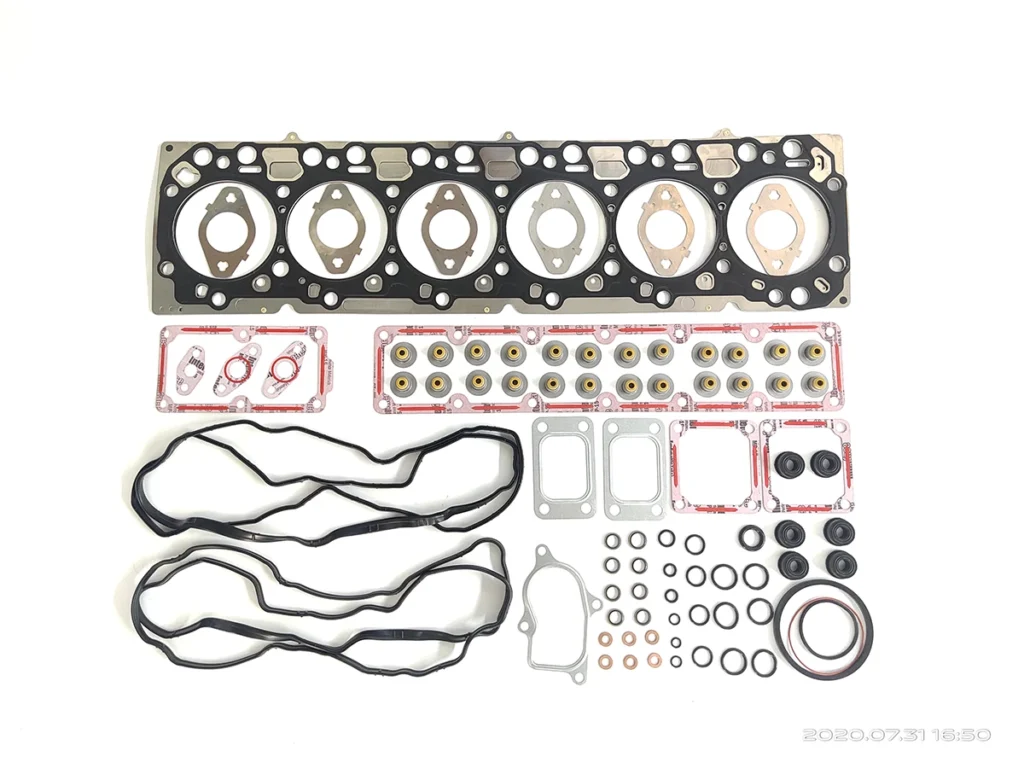
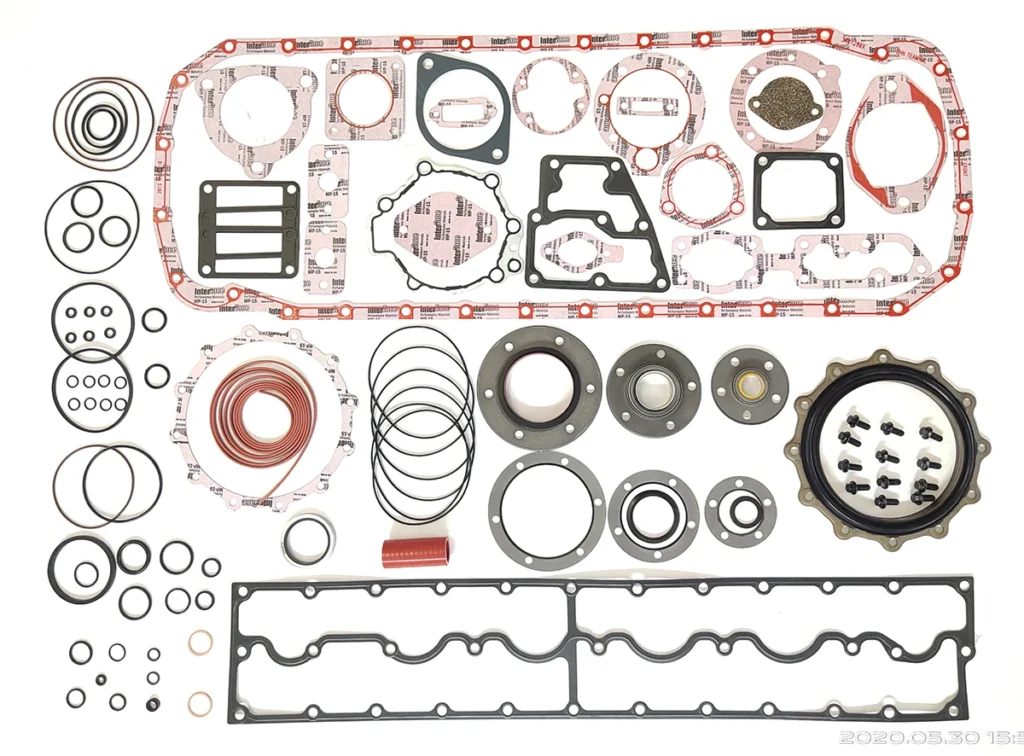
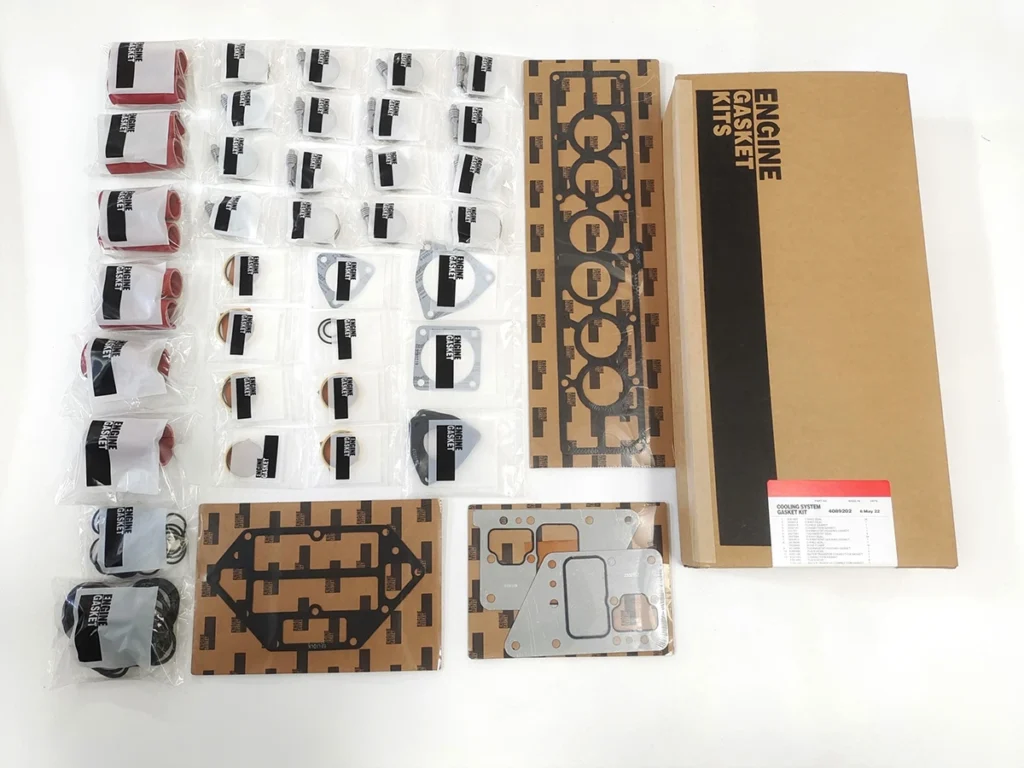
عادة، يمكن تجميع مجموعات الحشيات في:
- مجموعة حشية كاملة
- مجموعة الحشية العلوية أو السفلية
- أطقم إصلاح محددة لأنظمة معينة
كل نوع يناسب حالة إصلاح مختلفة. إذا كنت تقارن بين الخيارات، فمن المفيد أيضاً أن تفهم الفرق بين مجموعات الحشية الكاملة ومجموعات حشية الرأس.
كيفية اختيار مجموعة حشية محرك الديزل لنطاق إصلاح مختلف
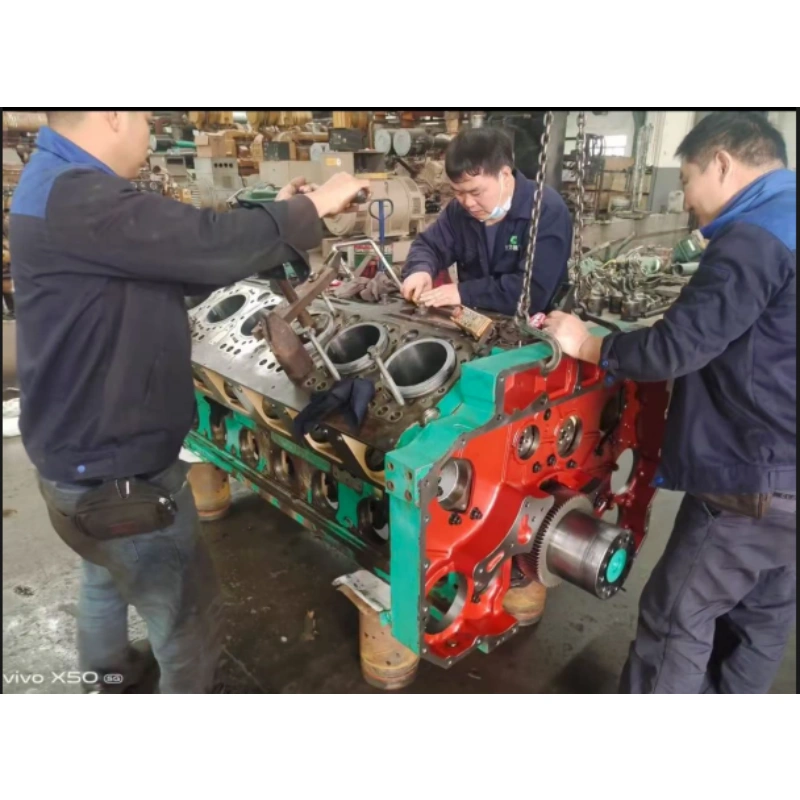
العامل المهم الآخر هو مقدار ما يتم إصلاحه بالفعل من المحرك. في المهام الأصغر، يتم فتح جزء فقط من المحرك، لذلك لا يلزم استبدال كل شيء. في الإصلاحات الأكبر أو الإصلاحات الشاملة، عادة ما يكون استخدام مجموعة كاملة هو الخيار الأكثر أماناً.
في المواقف الحقيقية: تتطلب الإصلاحات البسيطة عادةً مجموعات جزئية أو علوية. تتطلب الإصلاحات الرئيسية عادةً مجموعة كاملة
يساعد الاختيار بناءً على نطاق الإصلاح الفعلي في تجنب كل من الإفراط في الشراء والوقوع في منتصف الطريق في منتصف المهمة. تعتمد كيفية اختيار مجموعة حشية محرك الديزل أيضاً على مقدار المحرك الذي يتم إصلاحه.
أهمية جودة المواد في أطقم حشيات محرك الديزل
غالبًا ما يتم تجاهل هذا الجزء، خاصةً عندما تكون التكلفة مصدر قلق. تعمل محركات الديزل تحت درجة حرارة وضغط عاليين، خاصةً في التشغيل الثقيل أو التشغيل لساعات طويلة، لذلك تتعرض مكونات مانع التسرب لضغط مستمر. قد تعمل المواد ذات الجودة المنخفضة في البداية، ولكن في كثير من الحالات، تتآكل بشكل أسرع في ظل ظروف العمل الحقيقية. في بعض المحركات، يشيع استخدام الحشيات الفولاذية متعددة الطبقات (MLS) في بعض المحركات لأنها تتعامل مع تغيرات الضغط بشكل أفضل.
عند اختيار طقم حشيات، يجدر بك التحقق من: مقاومة الحرارة، وأداء الختم، وتناسق المواد
مما رأيناه في الإصلاحات الفعلية، غالباً ما تكون الاختلافات الصغيرة في مواد الحشية أحد أسباب تكرار العمل.
تحقق من التوافق قبل اختيار طقم الحشية قبل اختيار طقم الحشية
حتى عندما يبدو طراز المحرك صحيحاً، يمكن أن تؤثر الاختلافات الصغيرة في التطبيق على الملاءمة. على سبيل المثال، يمكن استخدام نفس طراز المحرك في معدات مختلفة أو تحت ظروف عمل مختلفة. هذه الاختلافات يمكن أن تغير متطلبات الحشية.
لقد رأينا محركات من نفس الطراز ولكن بتكوينات مختلفة باستخدام إعدادات حشية مختلفة قليلاً، وهو ما يمكن التغاضي عنه بسهولة. يساعد التحقق من كل من تفاصيل المحرك وسيناريوهات التطبيق على تجنب المشاكل غير الضرورية لاحقاً.
الأخطاء الشائعة عند اختيار مجموعة حشية محرك الديزل
تظهر بعض المشكلات في كثير من الأحيان، خاصةً عندما يكون الوقت ضيقاً:
- الاختيار على أساس السعر فقط
- إغفال تفاصيل طراز المحرك
- على افتراض أن مجموعات الحشيات المختلفة قابلة للتبديل
- استخدام مجموعات غير مكتملة للإصلاحات الرئيسية
من السهل ارتكاب هذه الأخطاء، خاصةً عندما يكون الوقت ضيقًا، ولكنها غالبًا ما تؤدي إلى عمل إضافي لاحقًا.
ماذا تفعل إذا لم تكن متأكدًا من مجموعة الحشية التي تختارها
لا تتعلق المشكلة في بعض الأحيان بالاختيار فقط، بل بفهم الحالة الفعلية للمحرك. إذا كنت لا تزال تقوم بتشخيص المشكلة، فتحقق من أعراض حشية محرك الديزل يمكن أن يساعدك في تحديد ما إذا كانت هناك حاجة فعلية للاستبدال أم لا.
إذا كان نطاق الإصلاح واضحاً بالفعل ولكن لا تزال مطابقة القطعة غير مؤكدة، فإن الحصول على مدخلات من شخص متمرس يمكن أن يوفر الوقت. إذا لم تكن متأكدًا مما يناسب محركك، يمكنك أيضًا تحقق معنا في YZDL. عادةً ما نساعد العملاء على التحقق من التوافق مرة أخرى قبل تقديم الطلب.
يمكنك أيضاً استكشاف خيارات مجموعة حشيات محرك الديزل لدينا لمعرفة ما يناسب إعدادات محركك.
الأسئلة الشائعة:
س1: فتحت الجزء العلوي من المحرك فقط. هل أحتاج حقًا إلى مجموعة كاملة؟
ليس بالضرورة. إذا اقتصر الإصلاح على الجزء العلوي، فقد تتضمن المجموعة الكاملة أجزاء لن تستخدمها. في معظم الحالات، المجموعة العلوية كافية. يعتمد الأمر حقاً على مقدار ما يتم العمل عليه من المحرك.
س2: يبدو رقم القطعة صحيحاً. هل هذا يكفي للتأكيد؟
ليس دائماً. تساعد أرقام القطع، لكنها لا تروي القصة كاملة. يمكن أن تتسبب الاختلافات الصغيرة في تكوين المحرك أو الاستخدام في عدم التطابق.
س3: ما هو الخطأ الأكثر شيوعًا عند اختيار طقم الحشية؟
الاختيار على أساس السعر أو افتراض أن المجموعات المختلفة قابلة للتبديل. يحدث كلاهما في كثير من الأحيان، خاصة عندما تبدو الأجزاء متشابهة.
س4: إذا اخترت المجموعة الخاطئة، فما الذي يحدث عادةً؟
في بعض الحالات، يؤدي فقط إلى إبطاء العمل. وفي حالات أخرى، يؤدي إلى مشاكل في الختم أو الاضطرار إلى إعادة فتح المحرك. وفي كلتا الحالتين، فإنه يضيف عملاً إضافياً.
س5: هل جودة المواد ملحوظة حقًا؟
نعم، خاصة مع مرور الوقت. قد تعمل المواد الأقل جودة في البداية، ولكن تحت الحرارة والضغط، فإنها تميل إلى التآكل بشكل أسرع.
س6: لست متأكداً مما يناسب محركي. ماذا يجب أن أفعل؟
إذا لم تكن متأكداً، فمن الأفضل التأكد قبل الطلب. يمكنك التحقق من تفاصيل محركك مرة أخرى أو التحدث إلى شخص على دراية بهذه القطع. في YZDL، غالبًا ما نساعد العملاء في مطابقة مجموعات الحشيات بناءً على حالات الإصلاح الحقيقية.
الخاتمة
ليس من الضروري أن يكون اختيار مجموعة الحشية المناسبة أمراً معقداً، ولكنه يتطلب الانتباه إلى بعض التفاصيل الرئيسية. العوامل الرئيسية هي طراز المحرك، ونطاق الإصلاح، وجودة المواد المستخدمة. بمجرد أن تكون هذه الأمور واضحة، تصبح عملية الاختيار أكثر وضوحاً. إذا كنت تستعد للإصلاح، فإن تخصيص بعض الوقت الإضافي لاختيار مجموعة الحشية الصحيحة يمكن أن يساعدك في تجنب المشاكل غير الضرورية لاحقاً.
- واتساب: +86 186 7197 8898
- البريد الإلكتروني: stevencummins8989@gmail.com
- الويب: www.yzdlparts.com