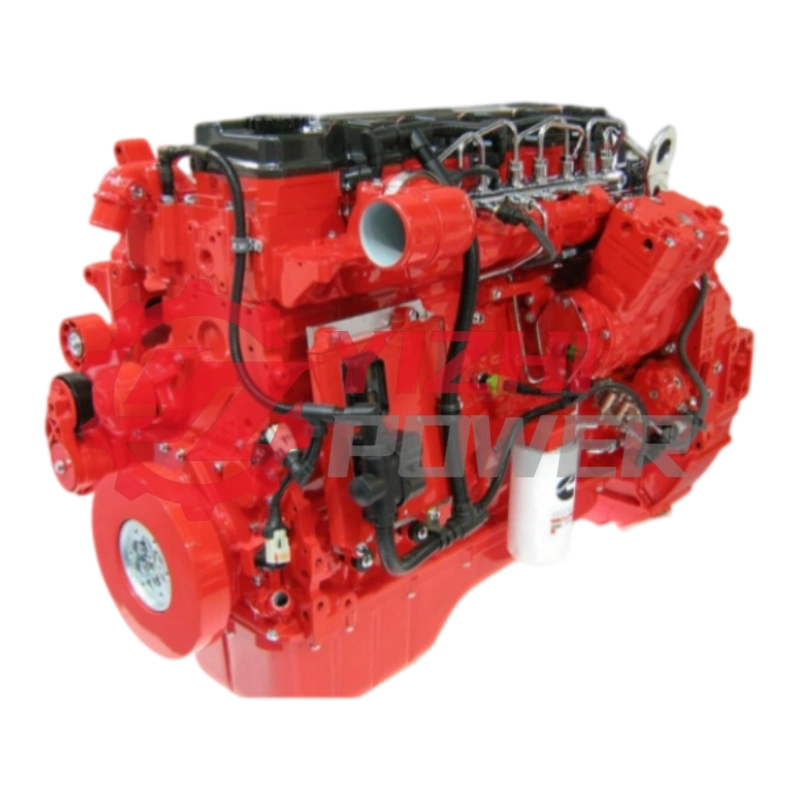











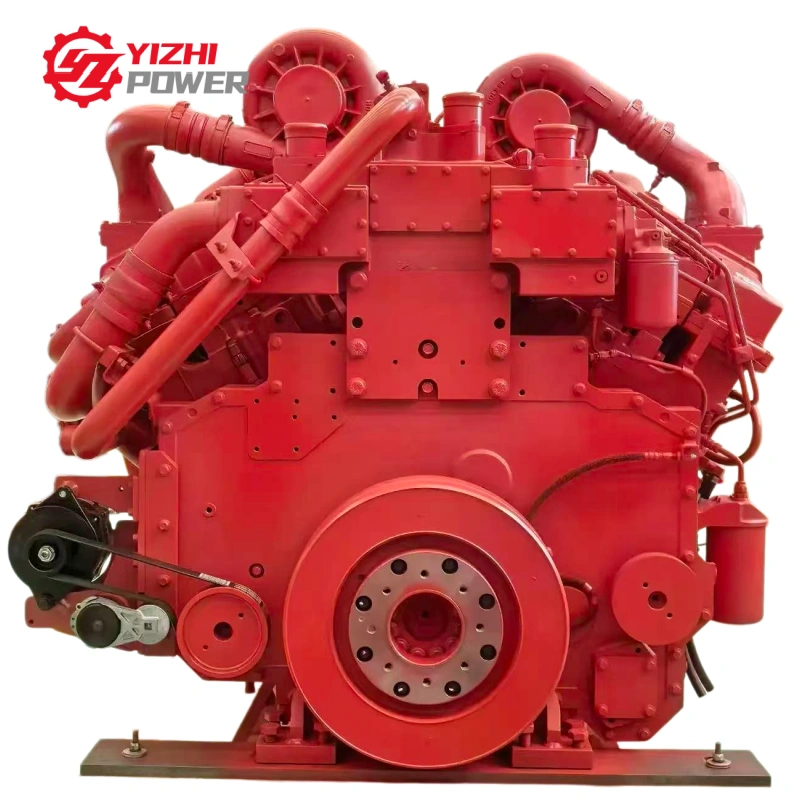
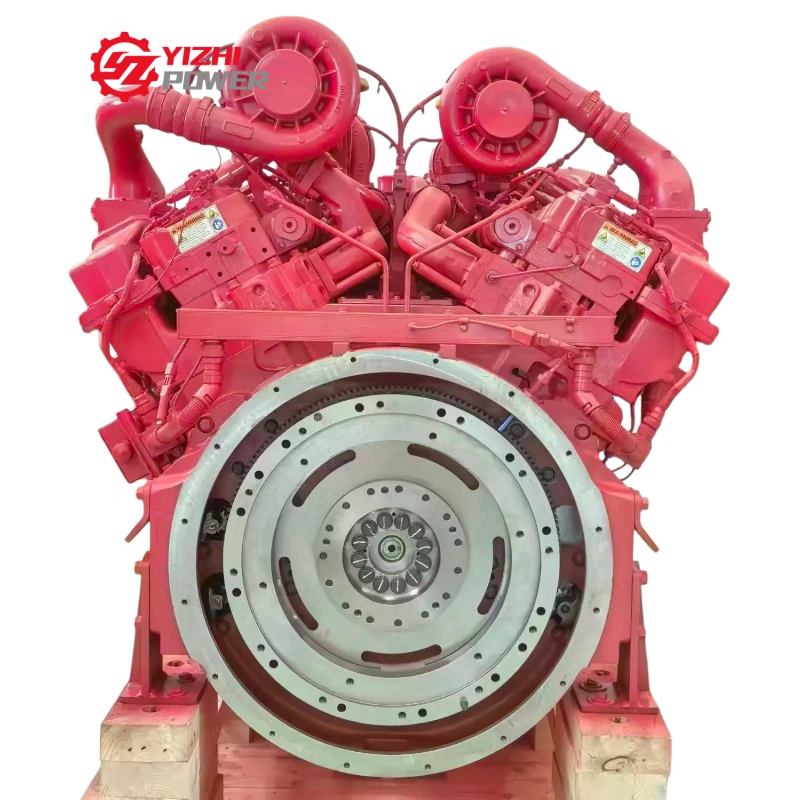
In high-horsepower industrial operations, equipment downtime directly impacts operational profitability. The cummins qsk60 engine platform—a 60-liter, 16-cylinder heavy-duty diesel giant—serves as the primary powertrain for deep-pit mining haulers, high-output power stations, and commercial marine vessels worldwide.
Whether managing a fleet of mining trucks or maintaining primary power generators, understanding how the qsk60 operates, how it compares to legacy platforms like the mechanical K60, and where to access reliable technical assistance is critical to extending equipment service life. At YIZHI POWER, we specialize in providing comprehensive technical support and heavy-duty replacement engine parts to keep your equipment running without interruption.
Key Applications of the Cummins QSK60 Platform
Engineered for 24/7, continuous high-load industrial environments, the cummins qsk60 engine delivers high power density (1,875 to 2,850 HP) across four core sectors:
- Ultra-Class Mining Equipment: Powers 240-to-360-ton haul trucks (such as the Komatsu 830E/930E) and large hydraulic excavators (such as the Hitachi EX5600) operating under severe dust, vibration, and thermal loads.
- Industrial Power Generation: Drives primary and standby diesel generator sets for data centers, hospital backups, and remote mine sites requiring fast transient response.
- Marine Propulsion & Auxiliary Power: Operates in offshore supply vessels, commercial tugs, and cargo ships requiring continuous marine-rated duty cycles.
- Natural Gas Power Solutions: The specialized cummins qsk60 gas engine variant utilizes lean-burn combustion technology for continuous, low-emission power generation using natural gas or field-gas sources.
Cummins K60 vs. Cummins QSK60: Technical Evolution
While both platforms share a 60-liter base displacement (159 mm bore ×190 mm stroke), they belong to different engineering eras. Understanding these differences prevents costly parts ordering errors during fleet overhauls:
| Feature / System | Legacy Cummins K60 | Modern Cummins QSK60 |
|---|---|---|
| Engine Management | Pure mechanical / Basic governor | Full electronic Quantum System (ECM) |
| Fuel System Technology | Pressure-Time (PT) mechanical injection | Modular Common Rail System (MCRS) / HPI |
| Injection Control | Camshaft timing & pressure-driven | Multi-stage electronic timing & variable pressure |
| Emissions Compliance | Non-certified / Tier 0 | EPA Tier 2, Tier 4 Final, and EU Stage V |
| Diagnostic Access | Pressure gauges & mechanical checks | Digital INSITE diagnostic software & live telemetry |
The transition to full electronic control allows the qsk60 to deliver up to 8% better fuel efficiency than earlier mechanical platforms, while reducing smoke opacity and operating noise.
Why Referencing the Official QSK60 Manual is Crucial
Because the qsk60 platform includes multiple fueling configurations—such as standard diesel MCRS, high-pressure injection (HPI), and spark-ignited natural gas systems found in the cummins qsk60 gas engine—maintenance protocols vary significantly.
Consulting the official qsk60 manual is necessary for:
- Torque Sequences & Clearance Settings: Specific torque values and valve lash clearances differ across HPI and MCRS cylinder head designs.
- Fluid & Filtration Intervals: The qsk60 manual outlines dual-stage filtration requirements necessary to protect high-pressure fuel injectors operating above 1,600 bar.
- Fault Code Interpretation: Electronic Control Modules (ECMs) output diagnostic codes that must be cross-referenced with troubleshooting trees in the service manual.
Partner with YIZHI POWER: Technical Expertise & Spare Parts Supply
Navigating part cross-references and international delivery schedules requires an experienced supply partner. YIZHI POWER provides complete end-to-end solutions for high-horsepower engine operators:
- Extensive OEM & Aftermarket Parts Inventory: We stock precision-machined cover plates, intake gaskets, oil cooler seals, water transfer connections, and overhaul kits for both qsk60 and legacy K60 engines.
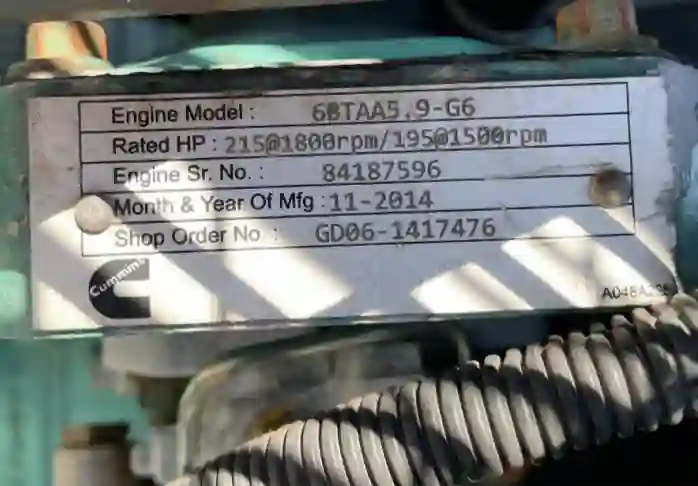
- Exact Fitment Verification: Provide your Engine Serial Number (ESN), and our technical team will cross-reference your required part numbers against factory datasheets to ensure 100% fitment accuracy before shipping.
- Global Field Logistics: We package all components to export-grade standards, providing rapid international air and sea freight directly to mine sites, ports, and repair facilities worldwide.
Frequently Asked Questions
Q: Can I use K60 fuel injectors on a QSK60 engine?
A: No. The original K60 uses mechanical PT injectors, whereas the cummins qsk60 engine utilizes electronically controlled HPI or MCRS injectors. They are not interchangeable.
Q: What is the main operational difference in a cummins qsk60 gas engine?
A: The cummins qsk60 gas engine uses spark ignition and lean-burn combustion designed for gaseous fuels like methane or natural gas, requiring dedicated air-fuel ratio controllers and specialized maintenance outlined in its service manual.
Q: How can YIZHI POWER assist if I don’t have the exact part number from my qsk60 manual?
A: Simply send us your Engine Serial Number (ESN) along with photos or descriptions of the damaged component. YIZHI POWER will identify the exact primary and interchange part numbers for your order.
Contact YIZHI POWER Today
Need reliable replacement parts or technical cross-reference support for your cummins qsk60 engine? Contact the YIZHI POWER technical sales team today for fast quotes, part verification, and worldwide delivery.