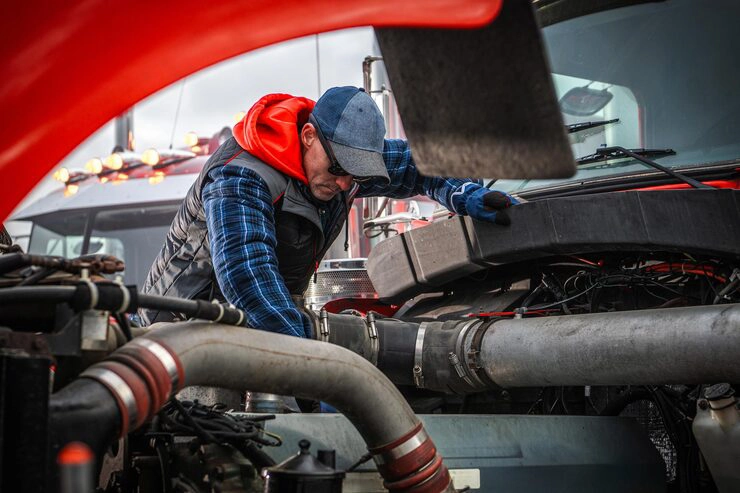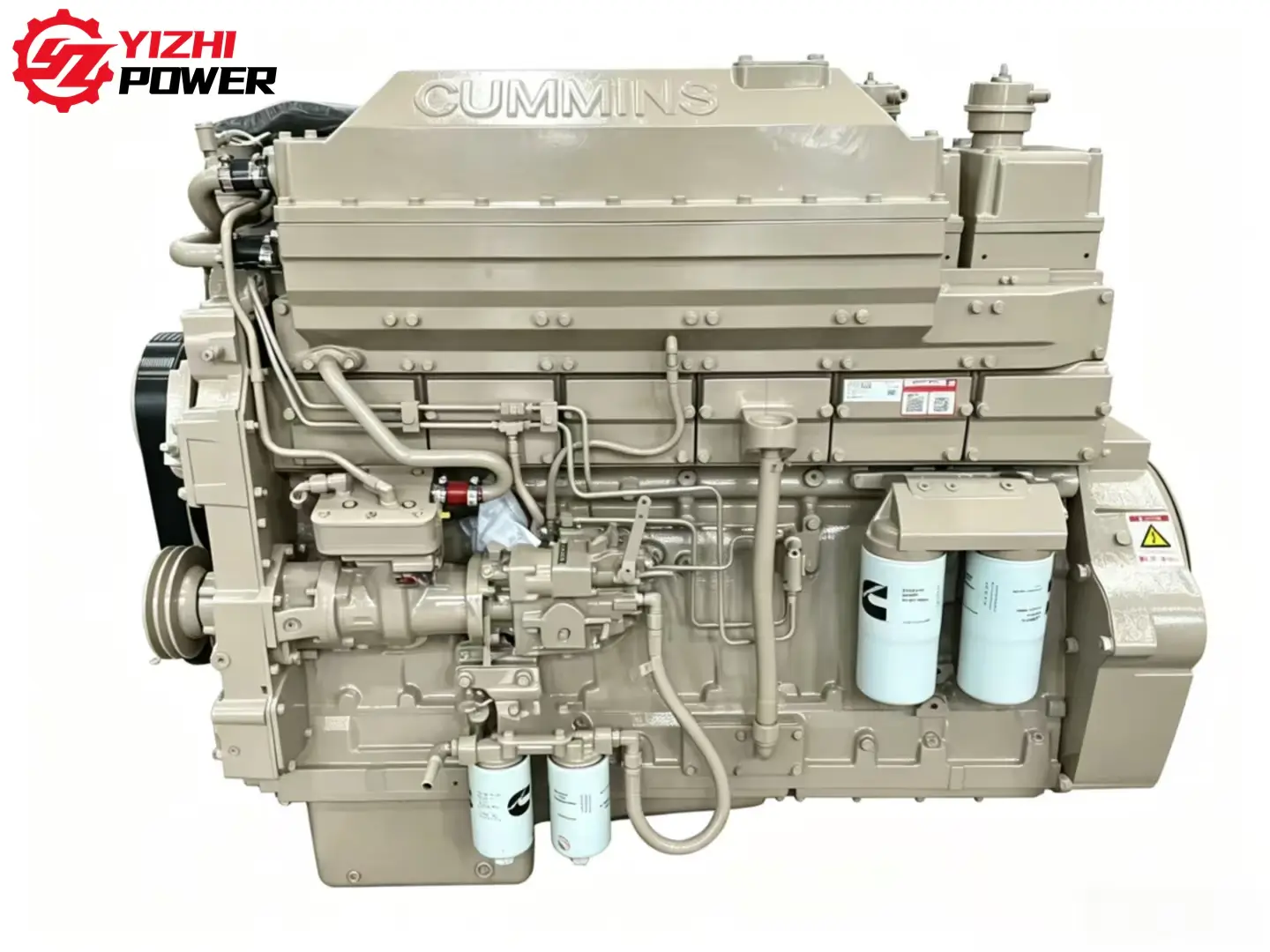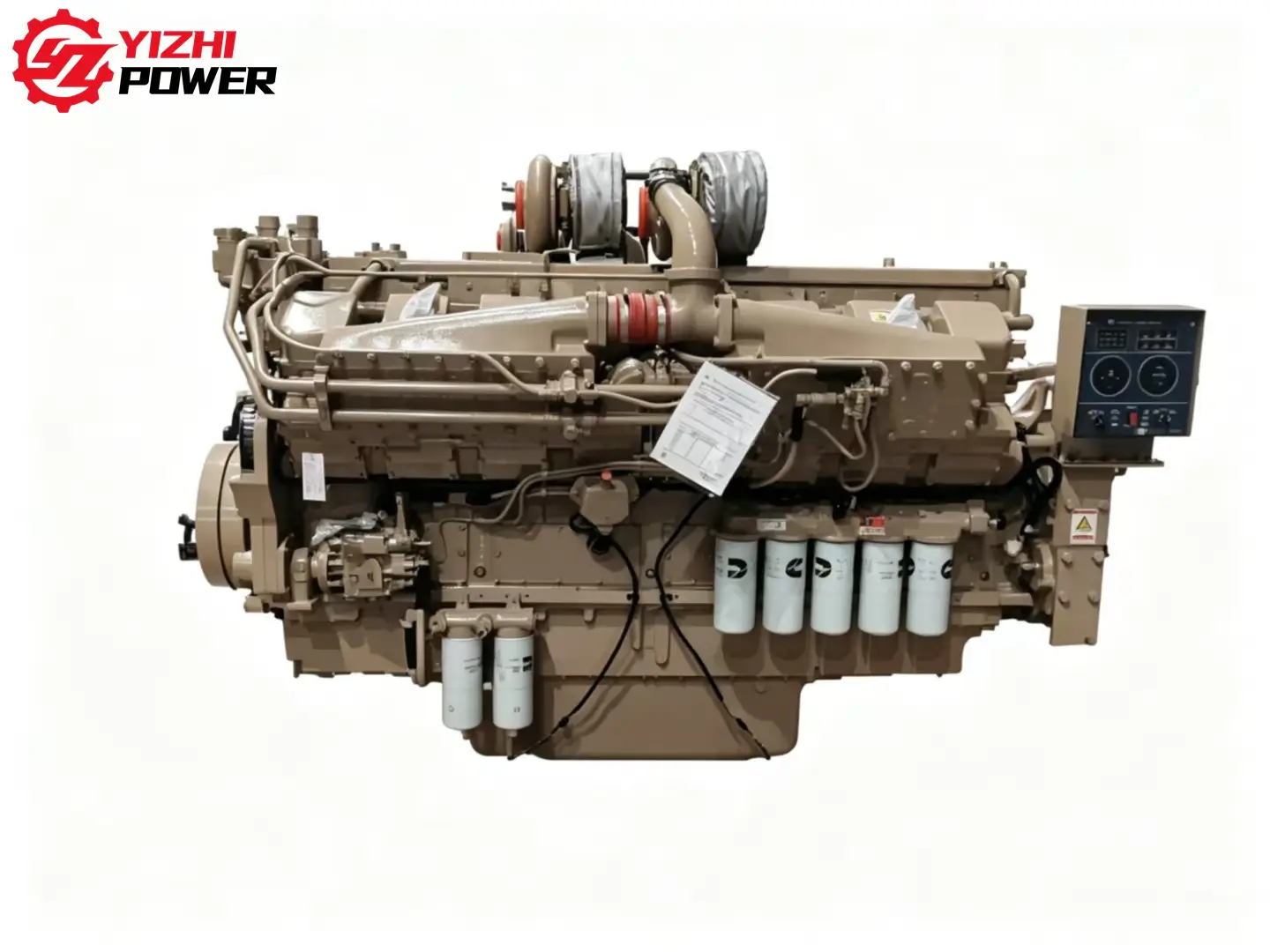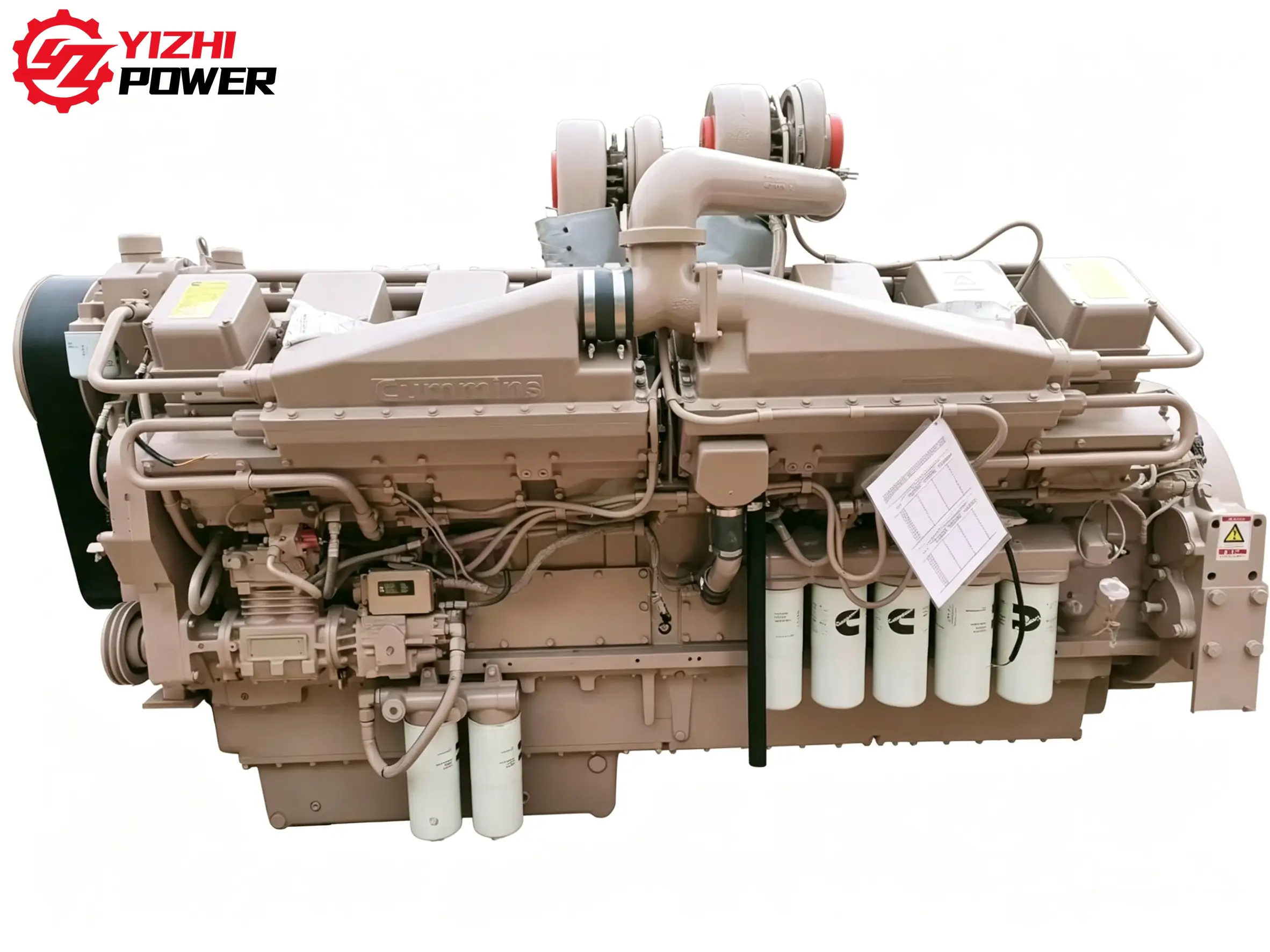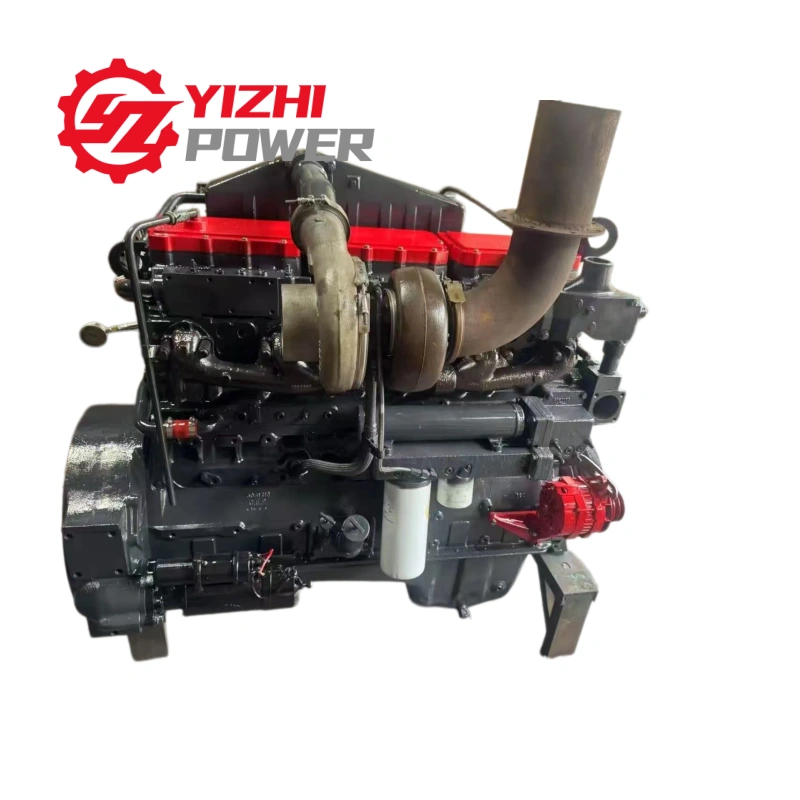











Diesel engines are known for their durability and efficiency, especially Cummins engines used in heavy-duty trucks, construction equipment, and industrial applications. However, even the most reliable engines can develop mechanical or fuel system issues over time.
Understanding diesel engine troubleshooting techniques is essential for identifying problems early and preventing costly engine damage. Many issues such as hard starting, loss of power, excessive smoke, or overheating can be diagnosed by recognizing common symptoms and inspecting key components like the fuel system, turbocharger, cooling system, and sensors.
This guide explains the most common Cummins engine problems, their symptoms, possible causes, and practical troubleshooting steps. By following these methods, technicians and operators can quickly diagnose diesel engine problems and maintain optimal engine performance.
What Is Diesel Engine Troubleshooting for Cummins Engines?
Diesel engine troubleshooting is the process of diagnosing mechanical or performance problems by analyzing symptoms, inspecting components, and identifying the root cause of the issue. For Cummins engines, troubleshooting typically involves checking fuel delivery, air intake, turbocharger performance, cooling systems, and electronic diagnostics.
Proper troubleshooting allows technicians to determine whether the problem is related to fuel supply, airflow restrictions, mechanical wear, or electronic sensor faults.
Why Early Diagnosis Matters
Early diesel engine troubleshooting can significantly reduce downtime and repair costs. Identifying problems before they worsen helps prevent secondary damage to critical components such as turbochargers, injectors, or pistons.
Benefits of early diagnosis include:
Preventing engine breakdowns
Improving fuel efficiency
Reducing maintenance costs
Extending engine lifespan
Routine inspections and early troubleshooting ensure Cummins engines continue operating reliably in demanding environments.
Quick Symptom Checklist Before Troubleshooting
Before performing detailed diagnostics, technicians should observe common engine symptoms. These early indicators can help narrow down the possible causes of a diesel engine problem.
| Symptom | Possible System to Check |
|---|---|
| Hard starting or no start | Fuel system, injectors, battery |
| Loss of power | Turbocharger, air intake, fuel delivery |
| Black smoke | Injectors, turbocharger, air filter |
| White smoke | Compression issues, fuel timing |
| Engine overheating | Cooling system, thermostat |
| Rough idle | Fuel injectors, air intake restriction |
Recognizing these symptoms is the first step in effective diesel engine troubleshooting.
1. Engine Not Starting or Hard Starting
Hard starting or failure to start is one of the most common diesel engine problems.
Common Symptoms
Engine cranks but does not start
Long cranking time before ignition
Weak starting performance
White smoke during startup
Possible Causes
Several issues may cause starting problems in Cummins diesel engines.
Common causes include:
Low fuel pressure
Clogged fuel filter
Faulty fuel injectors
Weak battery or electrical system
Low engine compression
Troubleshooting Steps
To diagnose the issue, technicians should follow a systematic inspection process.
Check battery voltage and connections
Inspect fuel filter for blockage
Test fuel pump pressure
Inspect injectors for clogging or wear
Perform compression testing if necessary
Starting issues are often related to the fuel system, so verifying fuel supply pressure is usually the first step.
2. Loss of Engine Power and Poor Acceleration
Another frequent issue in diesel engines is reduced power output. Operators may notice sluggish acceleration or difficulty pulling heavy loads.
Symptoms of Power Loss
Reduced acceleration
Engine struggles under load
Weak throttle response
Lower than normal boost pressure
Possible Causes
Power loss may be caused by several mechanical or airflow issues.
Common causes include:
Turbocharger malfunction
Dirty air filter or restricted air intake
Fuel injector wear
Low fuel pressure
Boost leaks in intake system
Troubleshooting Process
Diagnosing power loss involves checking both the air and fuel systems.
Recommended steps include:
Inspect the air filter and intake system
Check turbocharger boost pressure
Inspect intercooler hoses for leaks
Test fuel pressure levels
Examine injector performance
Proper airflow and fuel delivery are essential for maintaining diesel engine power.
3. Black, White, and Blue Exhaust Smoke
Excessive exhaust smoke is a clear indicator of combustion problems. The color of the smoke can help identify the root cause of the issue.
Black Smoke
Black smoke typically indicates incomplete combustion caused by too much fuel or insufficient air.
Possible causes include:
Dirty air filter
Faulty fuel injectors
Turbocharger failure
Incorrect fuel injection timing
White Smoke
White smoke usually occurs when fuel is not fully burned during combustion.
Possible causes include:
Low engine compression
Cold engine conditions
Incorrect fuel timing
Contaminated diesel fuel
Blue Smoke
Blue smoke indicates engine oil entering the combustion chamber.
Common causes include:
Worn piston rings
Damaged valve seals
Turbocharger oil seal failure
| Smoke Color | Typical Cause | First System to Check |
|---|---|---|
| Black smoke | Rich fuel mixture | Air intake, turbocharger |
| White smoke | Incomplete combustion | Fuel system, compression |
| Blue smoke | Oil burning | Turbo seals, piston rings |
Analyzing smoke color is an important part of diesel engine troubleshooting.
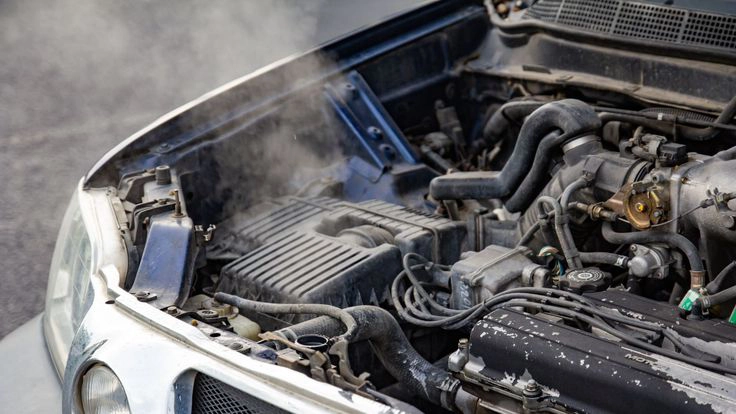
4. Engine Overheating and Cooling System Issues
Overheating is a serious problem that can cause engine damage if not addressed quickly.
Symptoms of Overheating
Rising engine temperature gauge
Coolant loss
Steam from engine compartment
Engine running hotter under load
Possible Causes
Cooling system failures are usually responsible for overheating problems.
Common causes include:
Low coolant levels
Faulty thermostat
Clogged radiator
Water pump failure
Cooling fan malfunction
Troubleshooting Process
Technicians should inspect the entire cooling system to determine the source of the problem.
Typical troubleshooting steps include:
Check coolant level and condition
Inspect radiator for blockage
Test thermostat functionality
Inspect water pump operation
Check cooling fan airflow
Maintaining a clean and properly functioning cooling system is critical for preventing overheating.
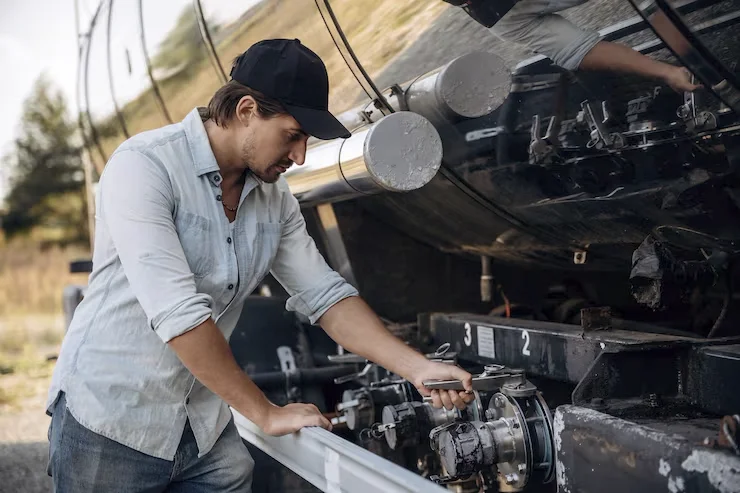
5. Fuel Injector and Fuel System Problems
The fuel system plays a critical role in diesel engine performance. Problems in this system can lead to rough engine operation and poor fuel efficiency.
Signs of Fuel Injector Failure
Rough idle
Engine misfires
Increased fuel consumption
Black exhaust smoke
Slow throttle response
Fuel System Problems to Inspect
Several components may cause fuel delivery issues.
These include:
Clogged fuel filters
Water contamination in fuel
Weak fuel pump pressure
Injector wear or blockage
Low-quality diesel fuel
Prevention and Maintenance Tips
Fuel system problems can often be prevented with routine maintenance.
Best practices include:
Replacing fuel filters regularly
Using clean, high-quality diesel fuel
Draining water separators
Inspecting injectors periodically
Regular maintenance reduces the likelihood of major diesel engine failures.
6. Turbocharger and Air Intake Problems
Turbochargers increase engine efficiency by forcing more air into the combustion chamber. However, turbo-related issues can significantly affect engine performance.
Turbocharger Warning Signs
Whining or grinding noise
Reduced boost pressure
Black smoke from exhaust
Sluggish acceleration
Possible Causes
Turbocharger issues often result from lubrication or airflow problems.
Common causes include:
Oil contamination
Worn turbo bearings
Intake system leaks
Clogged air filters
Troubleshooting Steps
When diagnosing turbocharger issues, technicians should inspect the following:
Turbo shaft play
Intake hoses and connections
Intercooler leaks
Boost pressure readings
Proper lubrication and airflow are essential for turbocharger reliability.
How to Use Diagnostic Tools and Fault Codes
Modern diesel engines use electronic control modules (ECM) to monitor engine performance. Diagnostic tools can help technicians identify problems more quickly.
When to Use Diagnostic Scanners
Diagnostic scanners are useful when:
The check engine light is illuminated
Engine performance problems occur intermittently
Sensors or electronic systems malfunction
Basic Diagnostic Procedure
A typical diesel engine diagnostic process includes:
Connecting a diagnostic scan tool
Reading stored fault codes
Monitoring live engine data
Comparing sensor values with normal ranges
| Diagnostic Item | Purpose |
|---|---|
| Fault codes | Identify electronic faults |
| Fuel pressure | Detect supply issues |
| Boost pressure | Diagnose turbo performance |
| Coolant temperature | Monitor overheating |
| Battery voltage | Diagnose starting problems |
Using electronic diagnostics improves the accuracy of diesel engine troubleshooting.
Preventive Maintenance Tips to Avoid Diesel Engine Problems
Preventive maintenance is the best way to reduce engine problems and extend the life of Cummins engines.
Routine Maintenance Practices
Important maintenance tasks include:
Regular oil changes
Fuel filter replacement
Air filter cleaning or replacement
Cooling system inspection
Turbocharger inspection
Monitoring Engine Performance
Operators should regularly check:
Engine temperature
Oil pressure
Exhaust smoke color
Fuel consumption
Detecting abnormal conditions early can prevent expensive engine repairs.
Conclusion
Cummins engines are designed for durability and high performance, but like all mechanical systems they require regular inspection and maintenance. By understanding the symptoms of common diesel engine problems and following proper diesel engine troubleshooting procedures, technicians can quickly diagnose issues and restore engine performance.
Regular maintenance, early diagnosis, and proper component inspection are key to ensuring reliable operation in heavy-duty diesel applications.
FAQ
What is diesel engine troubleshooting?
Diesel engine troubleshooting is the process of diagnosing engine problems by analyzing symptoms, inspecting components, and identifying the root cause of mechanical or fuel system issues.
Why does my Cummins diesel engine lose power?
Loss of power may be caused by turbocharger problems, clogged air filters, low fuel pressure, or worn fuel injectors.
What causes black smoke in a diesel engine?
Black smoke usually indicates incomplete combustion caused by excessive fuel injection, restricted air intake, or turbocharger malfunction.
How do you troubleshoot a diesel engine that will not start?
Technicians typically check battery voltage, fuel pressure, fuel filters, injectors, and engine compression when diagnosing a no-start condition.
How often should fuel injectors be inspected?
Fuel injectors should be inspected during regular maintenance intervals or whenever symptoms such as rough idle, poor fuel economy, or excessive smoke appear.
Diesel engine troubleshooting is the process of diagnosing engine problems by analyzing symptoms, inspecting components, and identifying the root cause of mechanical or fuel system issues.
Loss of power may be caused by turbocharger problems, clogged air filters, low fuel pressure, or worn fuel injectors.
Black smoke usually indicates incomplete combustion caused by excessive fuel injection, restricted air intake, or turbocharger malfunction.
Technicians typically check battery voltage, fuel pressure, fuel filters, injectors, and engine compression when diagnosing a no-start condition.
Fuel injectors should be inspected during regular maintenance intervals or whenever symptoms such as rough idle, poor fuel economy, or excessive smoke appear.